

Start with machboos, balaleet and luqaimat, and finish with Arabic coffee and dates. Emirati food is a small corner of Dubai's restaurant scene, so it helps to know the names. This guide covers nine dishes, where to find them in Al Fahidi and at a few dedicated restaurants, what a sit-down meal costs (roughly AED 80-160), what vegetarians can eat, and how our Old Dubai walking tour, from $35, adds the tastings.
By SB Excursions · Published 29 October 2026 · Updated 29 October 2026
Tour on this route: Old Dubai Walking Tour — From $35 per person, 3-4 hours.
What Emirati food should I try first in Dubai?
Machboos for lunch, balaleet for breakfast and luqaimat for dessert, finished with Arabic coffee and dates. A sit-down Emirati meal costs roughly AED 80-160 (about $22-$44) per person, and breakfast cafés and sweets cost much less.
This guide also answers:
- Does Dubai have Emirati street food?
- Can I try Emirati food during Ramadan?
Five things to taste first
 #1
Balaleet and an Emirati breakfast
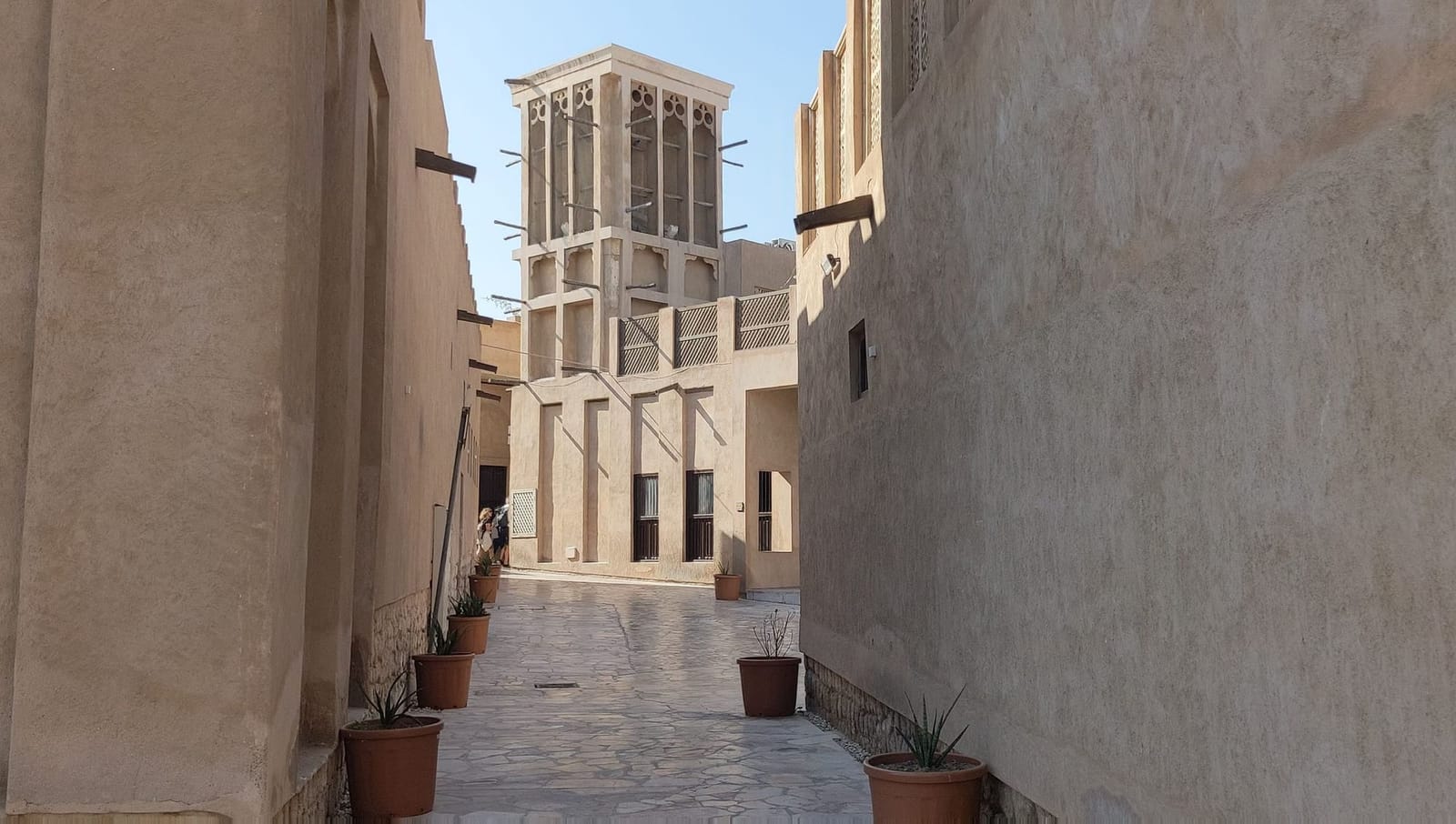
Balaleet is sweet vermicelli scented with saffron and cardamom and topped with an omelette, which is why it confuses people at first bite and wins them by the last. Alongside it come regag, a crisp paper-thin bread, and chebab, thick pancakes with date syrup. All of these are vegetarian, and the Al Fahidi lanes are the easiest place to find them.
 #2
Luqaimat with date syrup
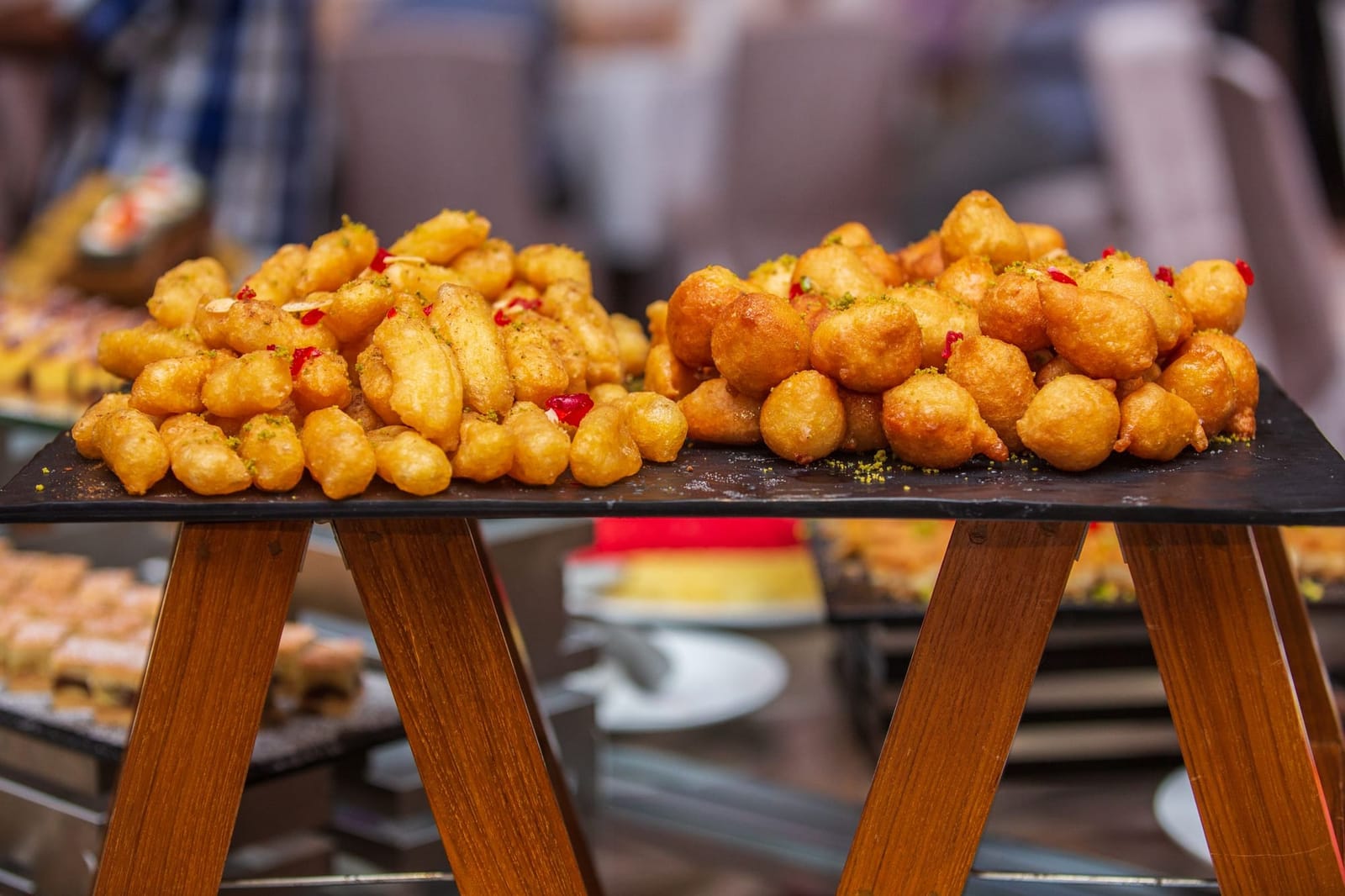
Luqaimat are small fried dough dumplings, crisp outside and soft inside, finished with date syrup or honey and sometimes sesame. They are served hot, so order them fresh and eat them on the spot. They contain gluten and usually dairy, so tell the kitchen about allergies, and expect to share a portion between two.
 #3
Arabic coffee and dates
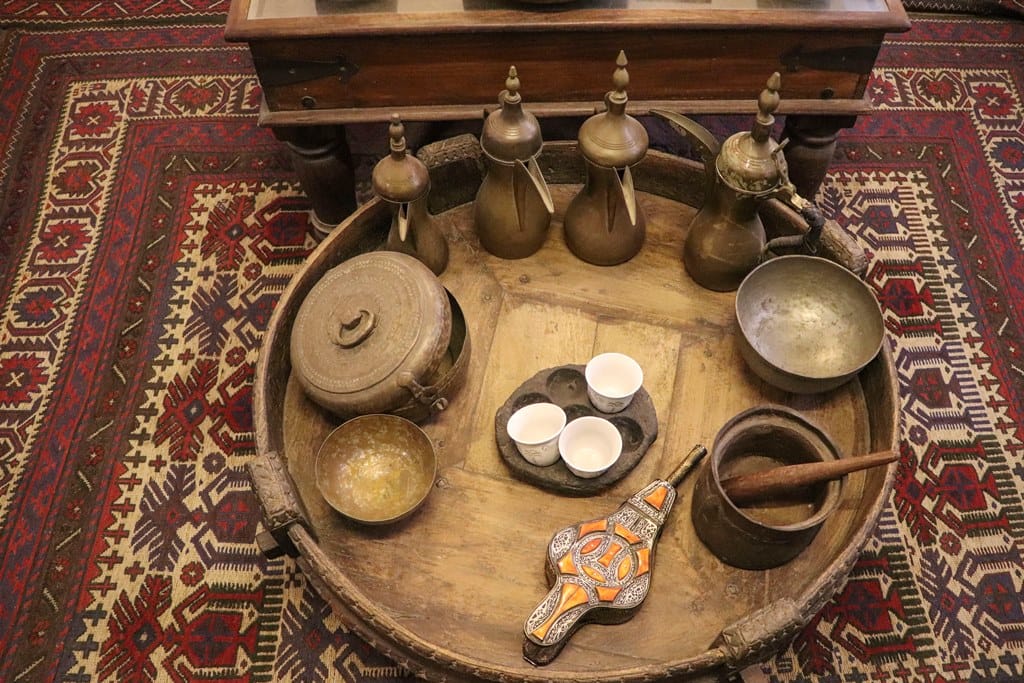
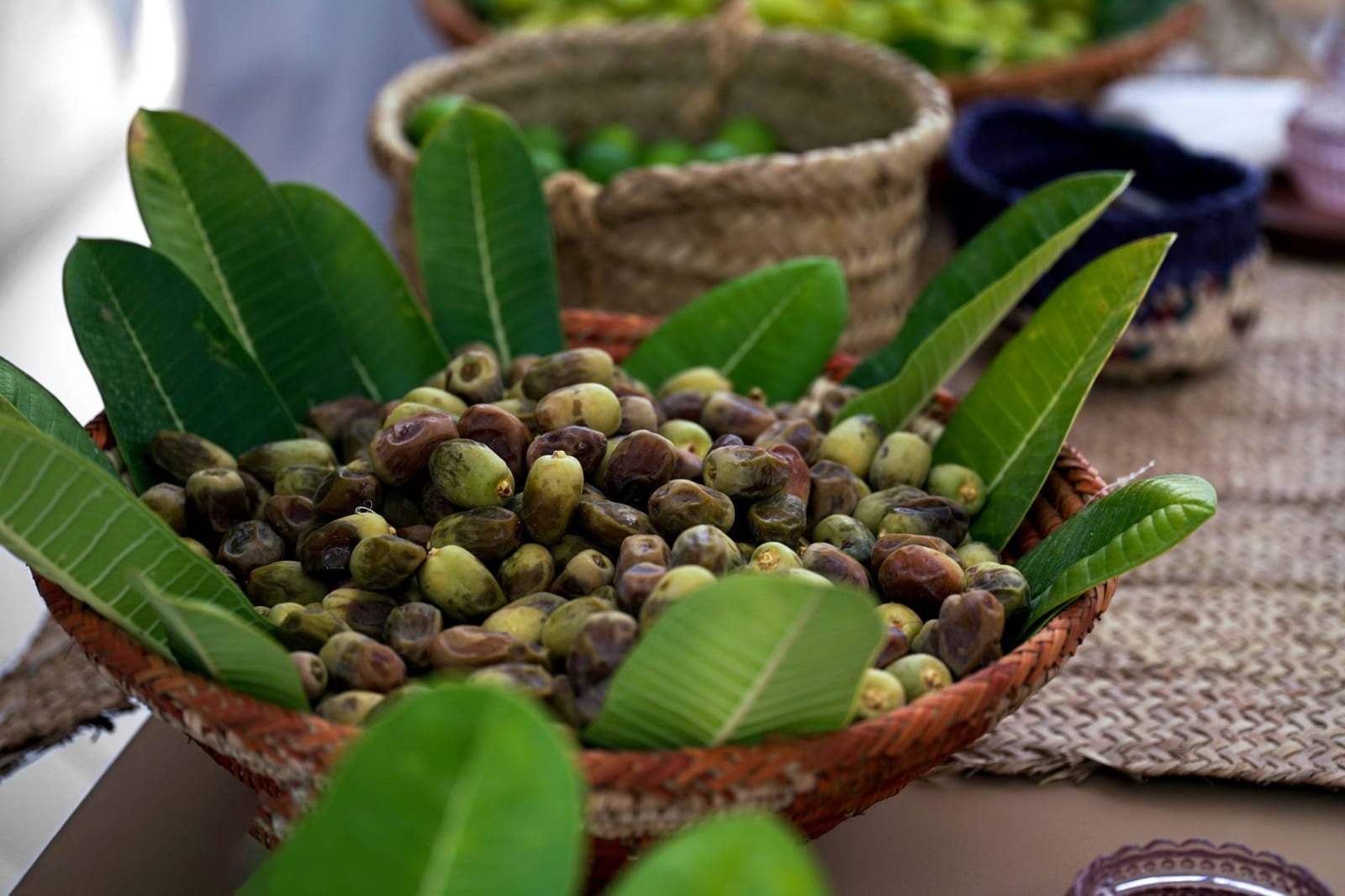
Arabic coffee is pale and light, flavoured with cardamom and sometimes saffron, poured in small handleless cups, and it comes with dates to balance the bitterness. Take the cup with your right hand, and shake it gently when you have had enough, or the host will keep refilling it. Our Old Dubai walk opens with coffee or tea and dates.
 #4
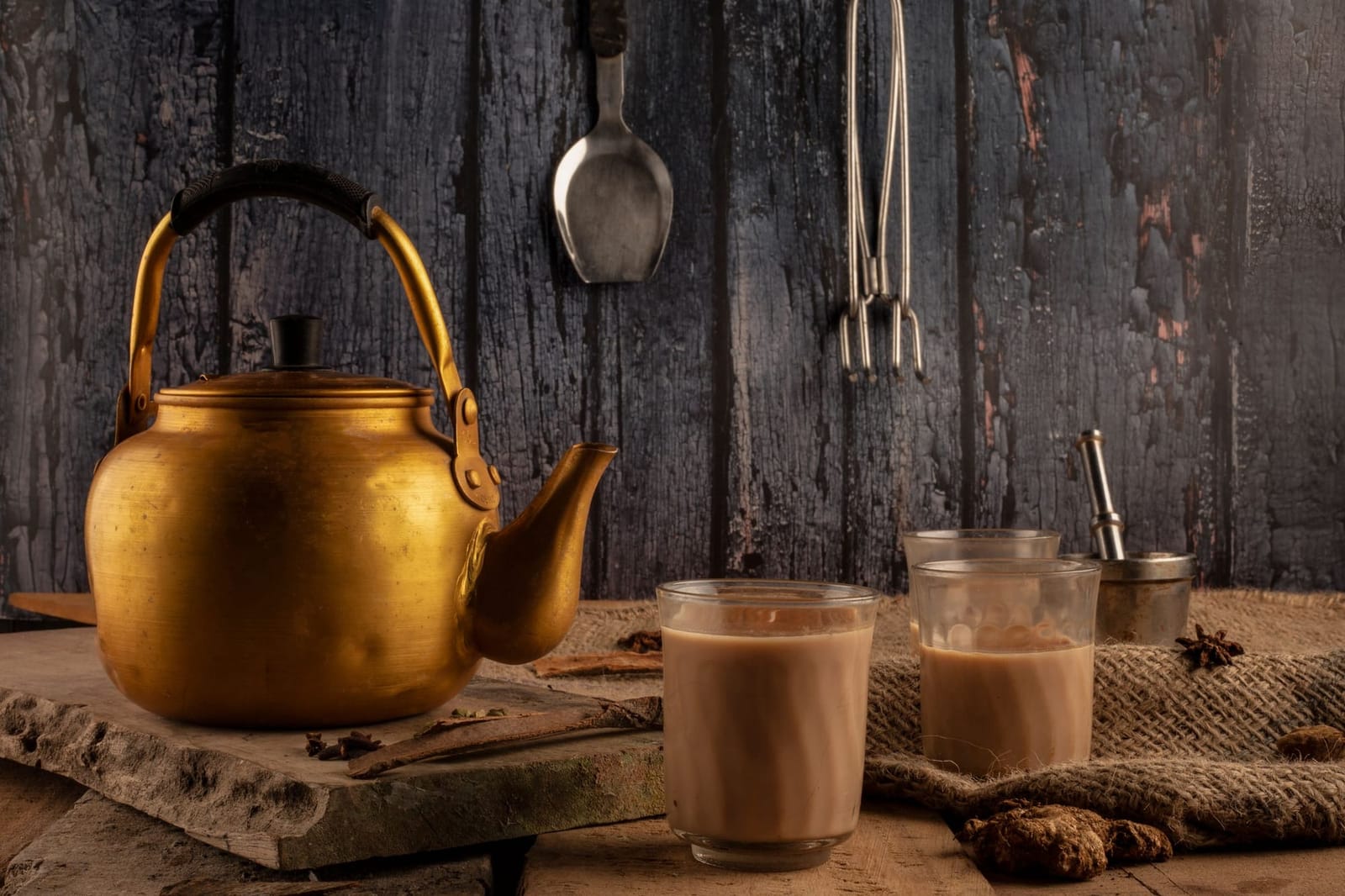
Karak, the daily cup
Karak is strong black tea simmered with milk, sugar and cardamom. It came with workers from the Indian subcontinent and is now as much a part of Gulf life as coffee, usually for a few dirhams a cup at a cafeteria counter. It contains milk and plenty of sugar, so ask for less sweet if you prefer.
 #5
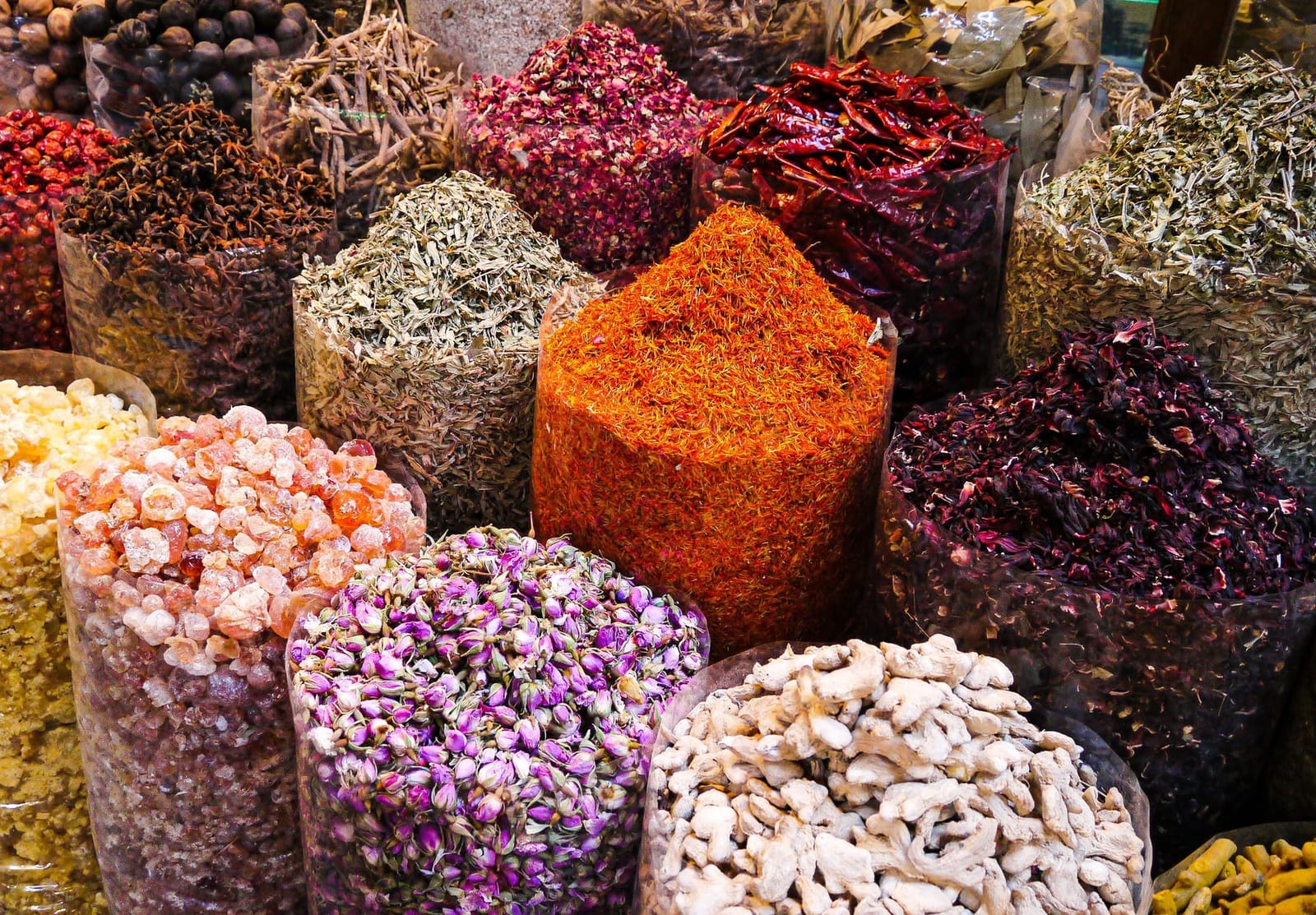
Machboos and the spice trail
Machboos is spiced rice cooked with lamb, chicken or fish, scented with dried lime, saffron and cinnamon. The flavours come from the spices the Gulf traded for centuries, and you can see most of them in open sacks at the Spice Souk in Deira. It is the plate to order if you only have room for one.
Emirati food in Dubai: the short answer
Try machboos, balaleet and luqaimat first, with Arabic coffee and dates. Machboos is the spiced rice-and-meat plate that comes closest to a national dish, balaleet is a sweet-and-savoury breakfast and luqaimat are fried dumplings in date syrup. A sit-down Emirati meal costs roughly AED 80-160 per person (about $22-$44), and the sweets and drinks cost far less.
The honest part: Emirati food is a small corner of Dubai's restaurant scene. Most kitchens serve Indian, Pakistani, Lebanese, Iranian, Filipino or Italian food, so you have to look for the Emirati dishes. It is home cooking built on rice, wheat, fish, lamb, chicken and dates, flavoured with saffron, cardamom, cinnamon, turmeric and dried lime that came across the Gulf by trade.
Three places make it easy: the heritage lanes of Al Fahidi, a handful of dedicated restaurants, and a guided walk that puts the tastings in one afternoon, such as our Old Dubai walking tour. The sections below name the dishes first and the places after.
Nine dishes to know
Names are spelt several ways (machboos is also majboos, harees is also hareis), so ask for a dish by what it is. Use the last column if you eat vegetarian.
| Dish | What it is | When it is eaten | Vegetarian? |
|---|---|---|---|
| Machboos | Spiced rice cooked with lamb, chicken or fish, with dried lime and saffron | Lunch, family gatherings | No |
| Harees | Wheat and meat cooked slowly until soft, almost like porridge | Ramadan, Eid, weddings | No |
| Thareed | A stew of meat and vegetables poured over thin bread | Lunch, Ramadan | Rarely |
| Madrooba | Chicken or fish cooked down to a thick, spiced porridge | Lunch, Ramadan | No |
| Fish (samak) | Gulf fish, spiced and grilled or fried, served with rice | Lunch | No |
| Balaleet | Sweet vermicelli with saffron and cardamom, topped with an omelette | Breakfast | Yes (eggs) |
| Chebab and regag | Thick pancakes and a paper-thin crisp bread, eaten with date syrup, cheese or egg | Breakfast, snacks | Yes (eggs, dairy) |
| Khubz khameer | A soft puffed flatbread, lightly sweet, eaten with cheese or date syrup | Breakfast | Yes (dairy) |
| Luqaimat | Fried dough dumplings with date syrup or honey | Dessert, snacks | Yes (gluten, dairy) |
Recipes vary by family and by emirate; a restaurant's version of a dish may differ from the description here.
Breakfast and sweets: where Emirati food is easiest
If you try only one Emirati meal, make it breakfast. Balaleet, regag, chebab and khameer bread are vegetarian, light on spice and served at heritage cafés in Al Fahidi from the morning, which also happens to be the coolest time to walk the lanes. Arabian Tea House in Al Fahidi is a well-known spot for a balaleet breakfast.
Sweets are the other easy win. Luqaimat turn up at cafés, malls and festival stalls, and date syrup, called dibs, goes on almost everything sweet. The winter season at Global Village is a good place to graze: Khaleej Times reported that the season opened on 14 October 2026, with entry at AED 25 on weekdays and AED 30 on weekends, so check the current dates and prices before you go. The Global Village guide has the details.
Coffee, dates and karak: the hospitality ritual
Arabic coffee (gahwa) and dates are not a snack but a greeting. The host pours a small cup, you take it with your right hand, and you shake the cup lightly from side to side when you have had enough. Dates are eaten first to soften the bitterness; the guide to dates in Dubai covers the varieties and where to buy them.
Karak is a different tradition, a milky, sweet, cardamom tea brought by workers from the Indian subcontinent, and it is the cup most people actually drink day to day. The karak chai and Arabic coffee guide explains the etiquette and where to order. On our walk, Arabic coffee or tea and dates are part of the $35 price.
Where to eat it
Opening hours and menus change, so treat the names below as starting points and check before you go.
- Al Fahidi Historical Neighbourhood. The best area for an Emirati breakfast or coffee in a restored wind-tower house; see the Al Fahidi guide.
- Al Fanar Restaurant & Café, Dubai Festival City. A Bedouin-style setting and a long menu of Emirati dishes; expect roughly AED 80-160 per person.
- Logma. A modern café-style take on Emirati food, good for a first try if you want the dishes without the old-house setting.
- Hotels at Ramadan. Iftar buffets at many hotels include harees and other Emirati dishes after sunset; see iftar in Dubai for tourists.
- Old Dubai on foot. Our walk tastes its way through Al Fahidi, Al Seef and the souks; for more places to sit down afterwards, read where to eat in Old Dubai.
How to order and what it costs
Emirati lunches are meant to be shared. Machboos arrives on a large platter, with a salad and a tomato-and-chilli sauce on the side, and the dishes go in the middle of the table. Order fewer mains than there are people, add a starter, and then order more if you are still hungry; portions are generous. Eating with the right hand is the custom, but cutlery is always available.
A sit-down meal costs roughly AED 80-160 per person with a drink, while a breakfast of balaleet or regag with coffee is usually well under that. Prices at heritage cafés rise with the setting, so look at the menu before you sit down. For tips and service charges, see tipping in Dubai, and for what to wear in the heritage quarter and in restaurants, the Dubai dress code guide is the short answer.
Vegetarian, halal and Ramadan notes
Emirati main dishes are built around meat and fish, so vegetarians do best at breakfast and with sweets, and can ask for rice, bread and salads at lunch. Vegetarian and vegan food in Dubai covers the easier cuisines. Food in Dubai is halal unless a licensed venue says otherwise, and halal food and pork in Dubai explains the rules.
In Ramadan, harees and thareed move to the centre of the table at iftar, but many restaurants are closed or limited in the daytime. Ramadan 2027 is expected to begin on Monday 8 February, subject to the moon sighting, according to the Emirates Astronomical Society, and Ramadan in Dubai for tourists says what stays open.
Taste it on foot: the Old Dubai walk
The Old Dubai walking tour is a shared group walk of 3-4 hours with an English-speaking local guide, from Al Fahidi by abra across Dubai Creek to the Spice and Gold Souks. The $35 price includes the abra, Arabic coffee or tea, dates, water and entry to a heritage house; $55 adds Emirati street-food tastings. The line-up changes with the season, and our Old Dubai food tour guide lists what is on it.
Full prepayment confirms your place, and the meeting point near Sharaf DG metro is sent after payment. Free cancellation or a date change is possible up to 24 hours before the start. The tastings contain gluten and dairy and may contain sesame and nuts, so tell us about allergies when you book. Wear comfortable shoes: May to September is very hot, and the walk is mostly outdoors.
If you want a second food-and-culture day, the Abu Dhabi city tour, from $45, ends with a stop at the Dates Market, and the full-day desert safari, from $45, serves Arabic coffee and a BBQ buffet at the camp. That dinner is a barbecue, not an Emirati kitchen, so it is a good evening but not a substitute for the dishes above.
FAQ
What Emirati food should I try first in Dubai?
Machboos for lunch, balaleet for breakfast and luqaimat for dessert, finished with Arabic coffee and dates. A sit-down Emirati meal costs roughly AED 80-160 (about $22-$44) per person, and breakfast cafés and sweets cost much less.
Is there a national dish of the UAE?
There is no official one. Machboos, the spiced rice with meat or fish, is the dish most people name. Harees, the slow-cooked wheat and meat porridge, is the one tied to Ramadan, Eid and weddings.
Is Emirati food spicy?
Fragrant rather than hot. The flavours come from saffron, cardamom, cinnamon, turmeric and dried lime, and chilli is usually served on the side. If you like heat, ask for hot sauce.
Where can vegetarians eat Emirati food?
At breakfast and with sweets: balaleet, regag, chebab, khameer bread and luqaimat are all vegetarian, though they contain eggs, dairy or gluten. The main dishes are meat and fish, so ask a restaurant for rice, salads and bread.
Does Dubai have Emirati street food?
A little, mostly sweets, breads and karak tea rather than meals. Our $55 Old Dubai walk includes Emirati street-food tastings, and the line-up changes with the season. The $35 walk includes coffee or tea and dates.
Can I try Emirati food during Ramadan?
Yes, after sunset. Hotels and restaurants serve iftar menus with harees and other Emirati dishes, while many places are closed or limited by day. Ramadan 2027 is expected to begin on Monday 8 February, subject to the moon sighting.
Recommended Dubai tours for this guide
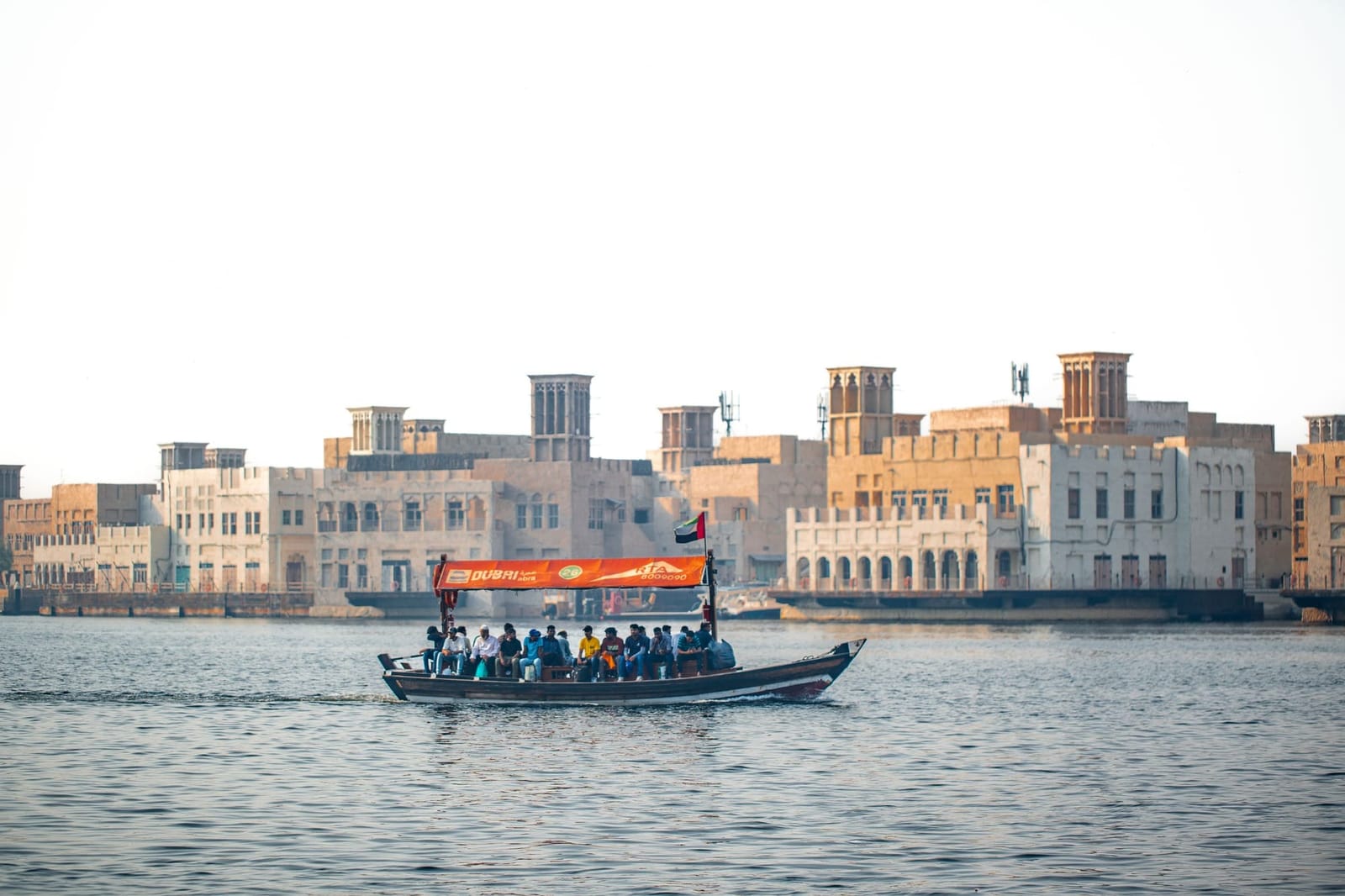
Old Dubai Walking Tour
It is the Dubai that is walked rather than driven: the Creek where the city began as a trading port, the restored wind-tower quarter and the souks that still trade spices and gold. A local guide tells the story along the way. The $35 walk includes the abra, Arabic coffee or tea, dates and water; the $55 option adds street-food tastings.
- Duration
- 3-4 hours
- Area
- Old Dubai: Bur Dubai and Deira
- Format
- Shared group walk
- Best for
- first-time visitors, food lovers and anyone who wants the old trading side of Dubai on foot
From $35 per person Full prepayment
View tour
Full-Day Desert Safari in Dubai
It is the slow-travel version of the classic safari: more time on the dunes, sunset without the crowds and a full evening programme at a premium camp with air-conditioned tents, unlimited drinks and a large BBQ buffet with vegetarian and gluten-free options. Everything is arranged from the hotel door — a licensed English-speaking driver, the 4x4, the camp and the shows.
- Duration
- 7 hours
- Area
- Lahbab Desert, Dubai
- Format
- Full-day desert safari
- Best for
- families, couples and first-time desert visitors who want the full evening programme
From $45 per person No prepayment
View tour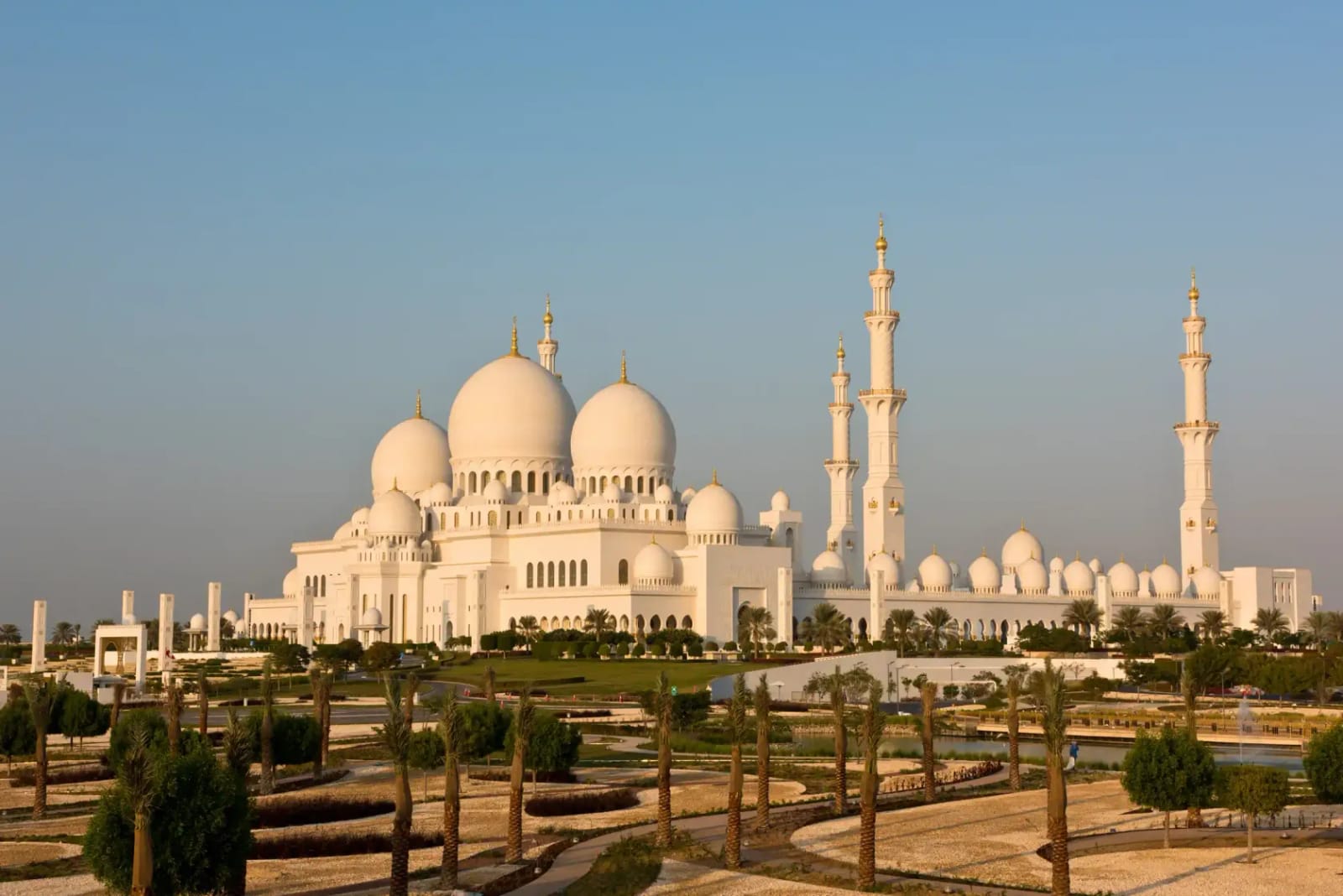
Abu Dhabi City Tour from Dubai
It is the classic capital day in one organised loop: the mosque before the midday heat and crowds, the newly opened BAPS Mandir, the skyline from the Corniche, Bedouin history at Heritage Village and a photo op at Ferrari World. Transport, a licensed guide, mosque registration assistance and bottled water are included; the $45 shared tour covers all free-entry sites, and a private VIP car for up to 7 people is $245.
- Duration
- 9 hours
- Area
- Abu Dhabi, UAE
- Format
- Full-day guided city tour (shared or private)
- Best for
- families, seniors and first-time visitors who want the capital's landmarks in one day
From $45 per person No prepayment
View tour📚 Keep reading
Photos: Brass dallah coffee pots, small cups and a wooden tray on a red carpet in the majlis room of Dubai's Coffee Museum — Clemens Schmillen, CC BY-SA 4.0 (Wikimedia Commons).