

Eight habits cause almost all tourist trouble in Dubai: photographing strangers, drinking or being drunk in public, any drugs, rude gestures, kissing in public, crossing away from crossings, littering and posting about other people online. Street fines run to a few hundred dirhams; drug and privacy offences are criminal. This guide says what each rule means in practice, where photos are fine, what applies on beaches, boats and in the desert, and what to do if you are stopped. It ends with a safari from $45 where a guide handles the rules for you.
By SB Excursions · Published 29 October 2026 · Updated 29 October 2026
While you are in Dubai: Full-Day Desert Safari in Dubai — From $45 per person, 7 hours.
How big are fines for tourists in Dubai?
Everyday street fines, such as crossing outside a crossing, littering or eating on the Metro, are typically about AED 100-500. Serious offences, including drugs, privacy violations, insults and drink-driving, are criminal matters and can mean custody, large fines or deportation. Amounts change, so check Dubai Police for the current figures.
This guide also answers:
- Can I eat or drink in public during Ramadan?
- Who do I call for help in Dubai?
Six places where the rules bite
 #1
Streets, souks and anywhere with people
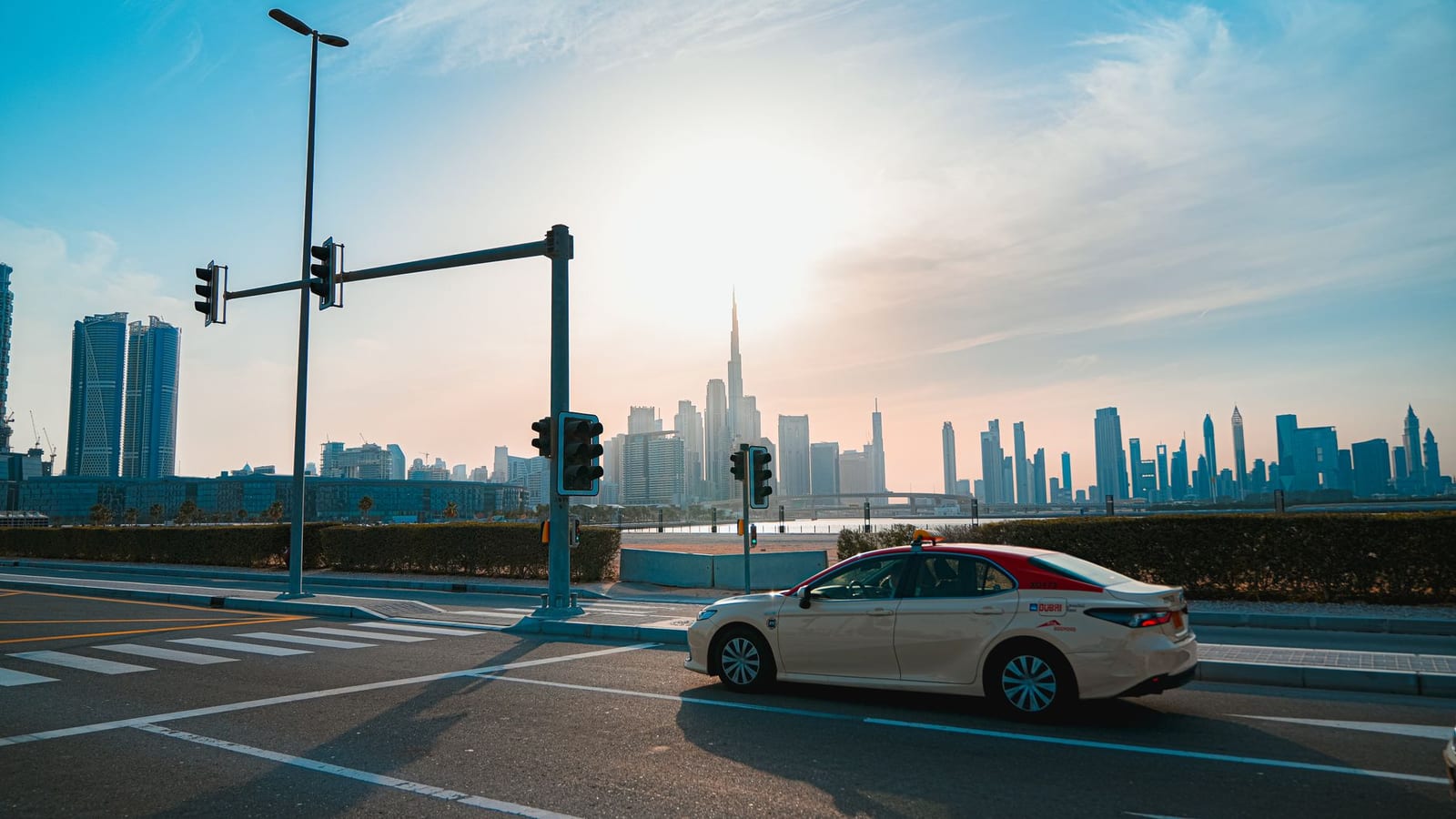
Landmarks, skylines and wide crowd scenes are fine to photograph. A close shot of a stranger, above all a woman or a family, is not unless they say yes first, and posting it online without consent can be a criminal privacy offence. Government buildings, police, military sites, airport security areas and accident scenes are also off limits. When in doubt, point the lens at the building.
 #2
Mosques, malls and Old Dubai
Cover shoulders and knees in malls, souks and offices, and keep swimwear for beaches and pools. Mosques ask for more: loose clothes covering arms and legs, plus a headscarf for women, and they can refuse entry. Keep your voice down, and never photograph people at prayer. Our Abu Dhabi city tour includes registration help at the Grand Mosque, so the dress code is the only thing to prepare.
 #3
Bars, hotels and the street after dark
Alcohol is served in licensed hotels, bars and restaurants. Being drunk in public, drinking on the street or the beach, and any drink-driving are offences. Drugs are another matter: zero tolerance, including cannabis products, with arrest possible for small amounts or traces brought from abroad. Read the alcohol and medication guides before you pack, because some ordinary medicines are controlled.
 #4
Roads, crossings and the Metro
Use crossings and footbridges: jaywalking on Dubai's wide roads is fined and genuinely dangerous. There is no eating, drinking or chewing gum on the Metro, and men stay out of the women-and-children section. Litter and spitting are fined too. Taxis and trains are cheap enough that you never need to bend these rules to save time or money.
 #5
Beach, pool and sea
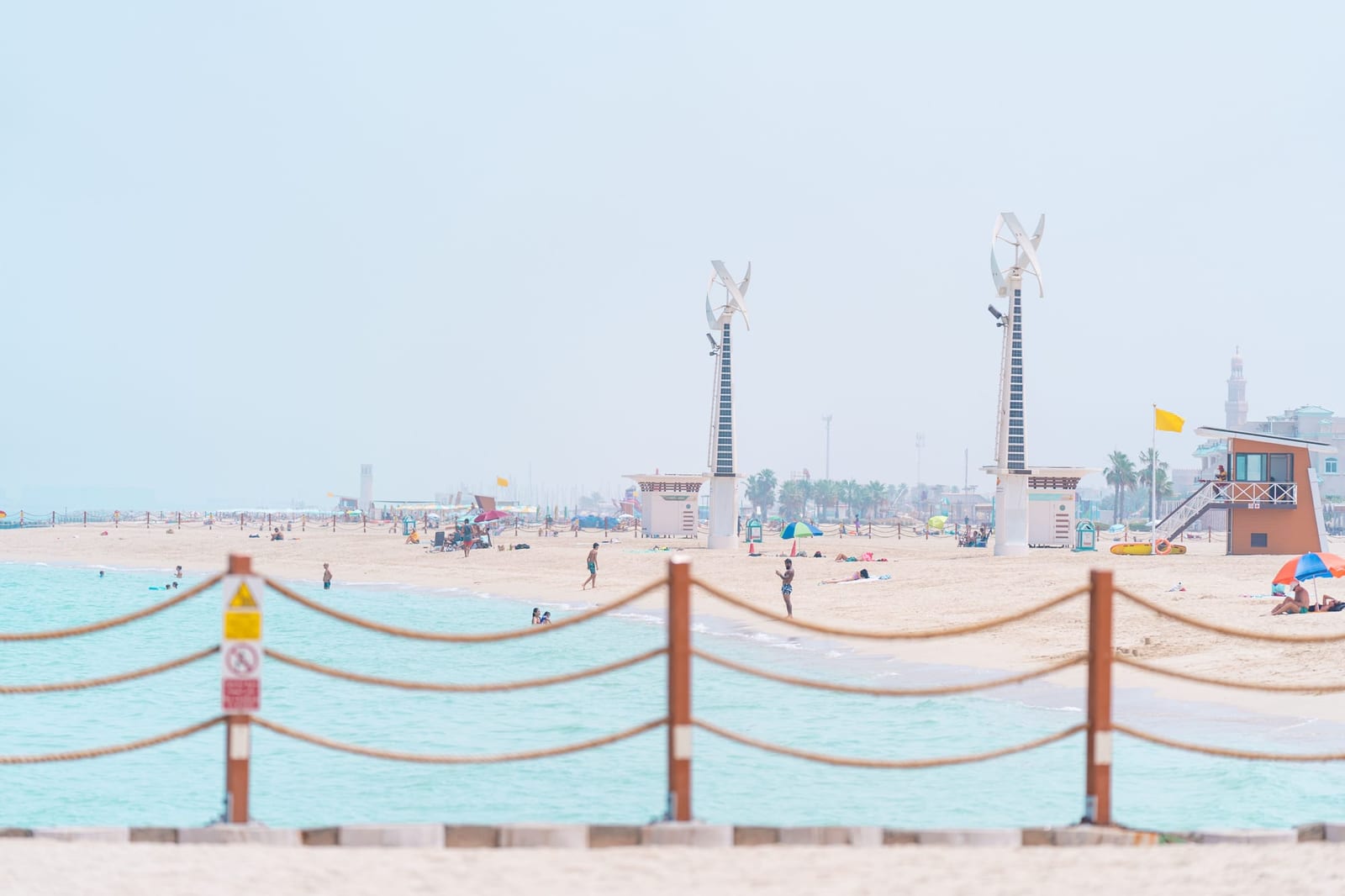
Swim at lifeguarded public beaches and follow the flags. Cover up when you leave the sand for a cafe or the car park, and do not sunbathe topless. Photograph your own group, not the family on the next towel. Our boat and water activities ask for an original passport or Emirates ID, not a photo on a phone, so keep the document in your bag.
 #6
Desert and dunes
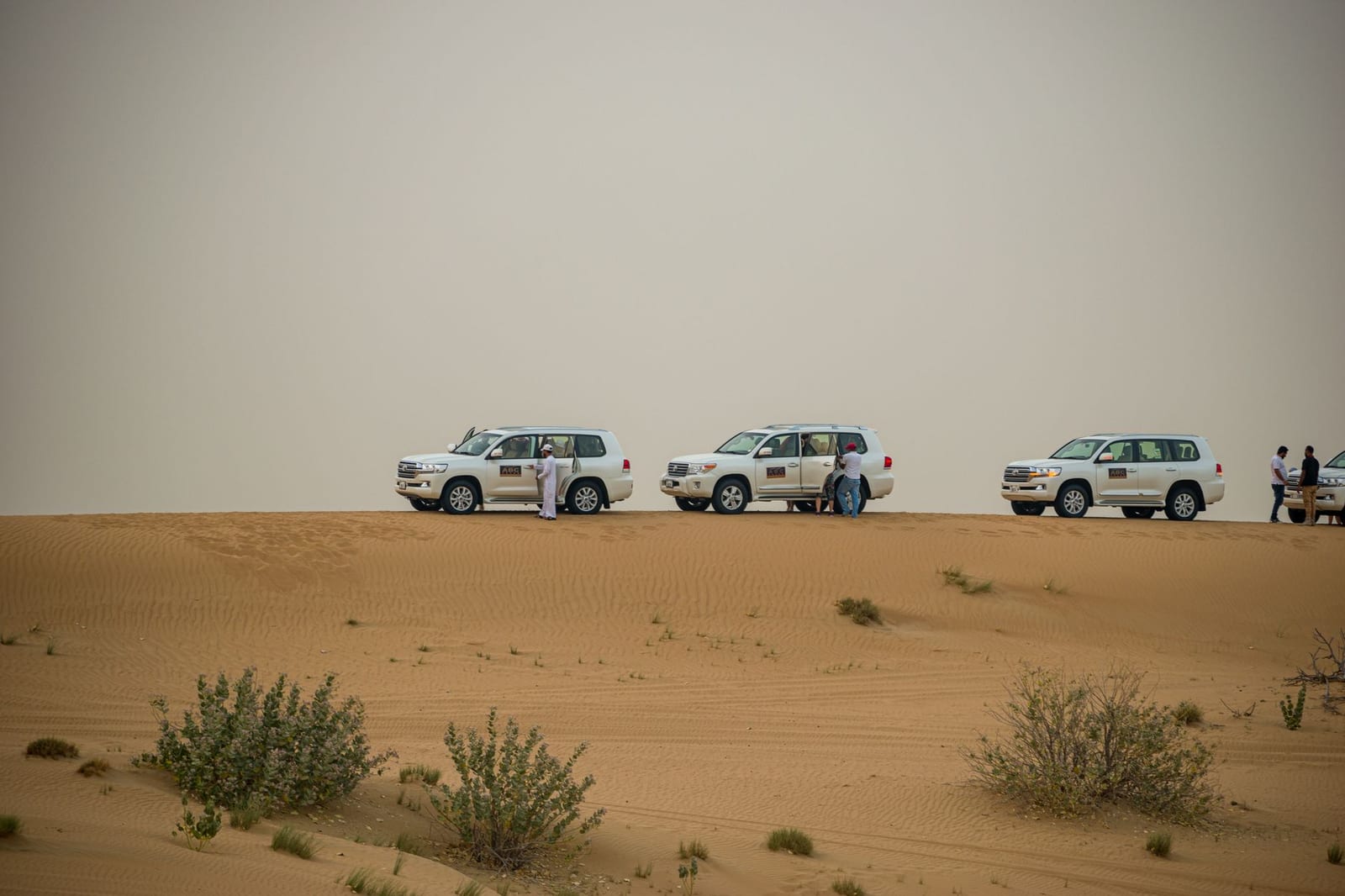
Dune bashing and quad biking belong in permitted areas with licensed operators; driving off-road on your own in protected desert can be fined and is dangerous. On our full-day safari from $45, a licensed English-speaking driver-guide handles the route and the camp, the camel ride and falcon photos are part of the programme, and you pay on the day with no prepayment.
The short answer: eight things not to do in Dubai
Eight habits cause almost all the trouble tourists meet in Dubai, and each one is normal somewhere else. The city is otherwise clean, relaxed and one of the safer big cities to walk around at night, so the list is short and easy once you know it:
- Photographing strangers. Ask first, and never post the picture without consent.
- Drinking in public or being drunk. Alcohol belongs in licensed venues only.
- Drugs in any amount. Zero tolerance, including cannabis products.
- Rude gestures and swearing. In person, at other drivers and in messages.
- Kissing and close contact in public. Holding hands is fine.
- Crossing roads away from crossings. It is fined and the roads are wide.
- Littering and spitting. Both are fined.
- Posting insults, rumours or other people's pictures online. The cybercrime rules are strict.
The small ones, such as crossing outside a crossing or dropping litter, are typically a fine of about AED 100-500 issued on the spot or by post. The big ones are criminal matters, where the police and prosecutors decide and the result can include a night in custody or deportation. Amounts and rules change, so Dubai Police and the official UAE government portal have the final word.
Photos: what you can and cannot shoot
Dubai is made for photography, and skylines, towers, beaches and wide crowd scenes are fine from any public place. The rule that catches visitors is about people: the UAE privacy and cybercrime rules treat photographing or filming someone without consent, and publishing it, as an offence, and the penalties are serious. A stranger who objects can call the police, and that is enough to start a case.
Do not zoom in on strangers, especially women, children and families, and do not post close-ups of people you do not know. Do not photograph police, military sites, government buildings, airport security areas or accident scenes; sharing pictures of an emergency is itself an offence. Professional cameras and tripods need a permit at some sites, such as the Grand Mosque in Abu Dhabi, while smartphone photos are welcome.
| Subject | Verdict | Note |
|---|---|---|
| Skyline, Burj Khalifa, Burj Al Arab from a public place | Fine | Tripods and pro kit can need a permit at some sites |
| A busy mall, souk or beach where nobody is the subject | Fine, with care | Do not zoom in on faces or post close-ups |
| A stranger, a child or a woman as the subject | Ask first | Posting without consent can be a criminal privacy offence |
| Police, military, government buildings, airport security | Do not | Staff can ask you to stop and delete |
| Accidents, fires, arrests | Do not | Sharing images of emergencies is an offence |
| Mosque interiors | Only where allowed | Never people at prayer |
| Camels, falcons and shows at a desert camp | Fine | Part of the programme; ask the handler |
| Drones | Not as a tourist | See the drone guide |
General guidance, not legal advice; Dubai Police has the final word.
Behaviour in public: affection, language, dress and drink
Public affection: holding hands is fine, and a brief hug between friends or family is normal. Kissing and anything more is best kept private, because public indecency is an offence and a single complaint from a passer-by is enough. Hotels do not normally ask tourists for a marriage certificate, but the lobby, the beach and the street are public places.
Language and gestures: swearing, rude hand signs and insulting messages are offences, whether aimed at a taxi driver, a neighbour on the beach or a person in a chat. For a visitor the result can be a fine, a night in custody or deportation in the worst cases. Road rage counts, so keep your hands down in traffic.
Dress: shoulders and knees covered in malls, souks and offices; swimwear only at beaches and pools. The full picture, including mosques and yachts, is in the Dubai dress code guide, and mosques have their own stricter rules.
Drink and Ramadan: the alcohol laws guide covers where you can drink. During Ramadan, expected to begin around 8 February 2027 subject to the moon sighting, be discreet about eating, drinking and loud music in daylight; the details are in Ramadan in Dubai for tourists.
Drugs, medicines and other things to leave at home
Drug laws are the harshest in the UAE and the area where tourists are most often caught out by something innocent. Cannabis and CBD products, recreational drugs and even small amounts or traces carried from abroad can mean arrest, so leave them at home and do not accept anything from strangers.
Some ordinary medicines are also controlled: certain painkillers, sleeping tablets and ADHD or anxiety treatments need paperwork before they enter the country. Pack them in the original box with the prescription, and read bringing medication to Dubai before you fly. Drones are the other airport surprise, covered in the drone rules guide.
Roads, transport and the small fines
Most tourist fines are small and avoidable. The Metro and the taxis are cheap, so the shortcuts are never worth it. Everyone in a car wears a seat belt, and young children belong in a child seat in the back. If you hire a car, remember that alcohol and driving never mix, speed cameras are everywhere and using a phone at the wheel is fined.
| Habit | Typical result | Do instead |
|---|---|---|
| Crossing away from a crossing | Fine, and a real danger on six-lane roads | Use the crossing or footbridge |
| Eating or drinking on the Metro | Fine | Finish before the gate |
| Dropping litter or spitting | Fine | Use a bin; carry a bag in the desert |
| Smoking or vaping where it is banned, such as malls and indoor restaurants | Fine | Use a marked smoking area |
| Swimwear away from the beach or pool | Asked to cover up or leave | Carry a cover-up |
| A standard fare in Gold Class | Fine | Ask for the Gold option before boarding |
Typical results only; amounts change, so check Dubai Police or the RTA.
Online, phones and the law
The UAE cybercrime law covers more than hacking. Posting insults, rumours or criticism that can be read as defamation, publishing other people's photos or private conversations, and filming people in private settings can all be treated as criminal offences, even from a holiday account and even if the post is deleted later. Review sites and group chats are included.
The practical rule: post your own pictures and your own opinion of your own experience, calmly. For calls, Wi-Fi and what the law says about VPNs, see Wi-Fi, calls and VPN in Dubai.
Where the rules are safety rules: beach, sea and desert
On the beach the rules protect you: swim where lifeguards are on duty, read the flags, and see Dubai beach rules and safety for the details. On the water, every guest on our shared yacht tour must carry an original passport or Emirates ID under Coast Guard rules, and the jet ski, flyboard, parasailing, tubing and wakeboarding sessions each ask for a physical passport or Emirates ID rather than a photo of it.
In the desert, the rule is simple: go with a licensed operator. Our full-day desert safari, from $45 per person, collects you from your hotel in Dubai, Sharjah or Ajman in an air-conditioned 4x4 and brings you back after the camp evening; there is no prepayment, and the date is agreed on WhatsApp. Quad biking is self-drive at your own risk, with an indemnity form to sign, so follow the guide's instructions. For the capital, the Abu Dhabi city tour from $45 includes the Grand Mosque entrance with registration assistance, so you only need to bring the right clothes.
If you are stopped or something goes wrong
Stay calm and polite, and do not argue about a fine at the roadside. For an emergency call 999; for a non-emergency police matter in Dubai call 901. Keep a photo of your passport and entry stamp on your phone, and carry the original for boats and water sports (for the balloon flight, the original or a clear copy). If you are held or charged, ask to contact your embassy or consulate, and keep your travel insurance details to hand. For a wider look at safety, see is Dubai safe for tourists.
FAQ
How big are fines for tourists in Dubai?
Everyday street fines, such as crossing outside a crossing, littering or eating on the Metro, are typically about AED 100-500. Serious offences, including drugs, privacy violations, insults and drink-driving, are criminal matters and can mean custody, large fines or deportation. Amounts change, so check Dubai Police for the current figures.
Can I take photos in Dubai?
Yes of skylines, towers, beaches and wide crowd scenes. Do not photograph strangers without asking, and never post pictures of women, children or families you do not know. Avoid police, military sites, government buildings, airport security and accident scenes. Tripods and professional cameras need a permit at some sites.
Is it illegal to hold hands or kiss in Dubai?
Holding hands is generally fine, and so is a brief hug between friends or family. Kissing and more intimate contact in public can be treated as public indecency, and one complaint is enough to cause trouble. Keep affection private, and follow the staff's lead in hotels, malls and on beaches.
Can unmarried couples share a hotel room in Dubai?
Hotels do not normally ask tourists for proof of marriage, and the rules on couples sharing a room have relaxed in recent years. Public behaviour is a separate matter, and the final word on any rule is with Dubai Police and the official UAE government portal, so ask your hotel if you are unsure.
Is swearing or a rude gesture really an offence?
Yes. Insulting someone with words or gestures, in person, from a car or in a message, is an offence in the UAE. For a visitor a fine is the usual outcome, but a night in custody or deportation is possible in serious cases. Stay calm in traffic and in arguments.
Can I eat or drink in public during Ramadan?
Rules have relaxed in recent years, but daytime in Ramadan is still a time for discretion: many cafes screen their tables and a bottle of water in a bag is fine. Ramadan is expected to begin around 8 February 2027, subject to the moon sighting. Entertainment on our desert safari may be limited or modified during Ramadan.
Who do I call for help in Dubai?
Call 999 for an emergency and 901 for a non-emergency Dubai Police matter. Keep a photo of your passport on your phone, and contact your embassy or consulate if you are held or charged. If you are on one of our tours, message us on WhatsApp and we will help from our side.
Recommended Dubai tours for this guide
Full-Day Desert Safari in Dubai
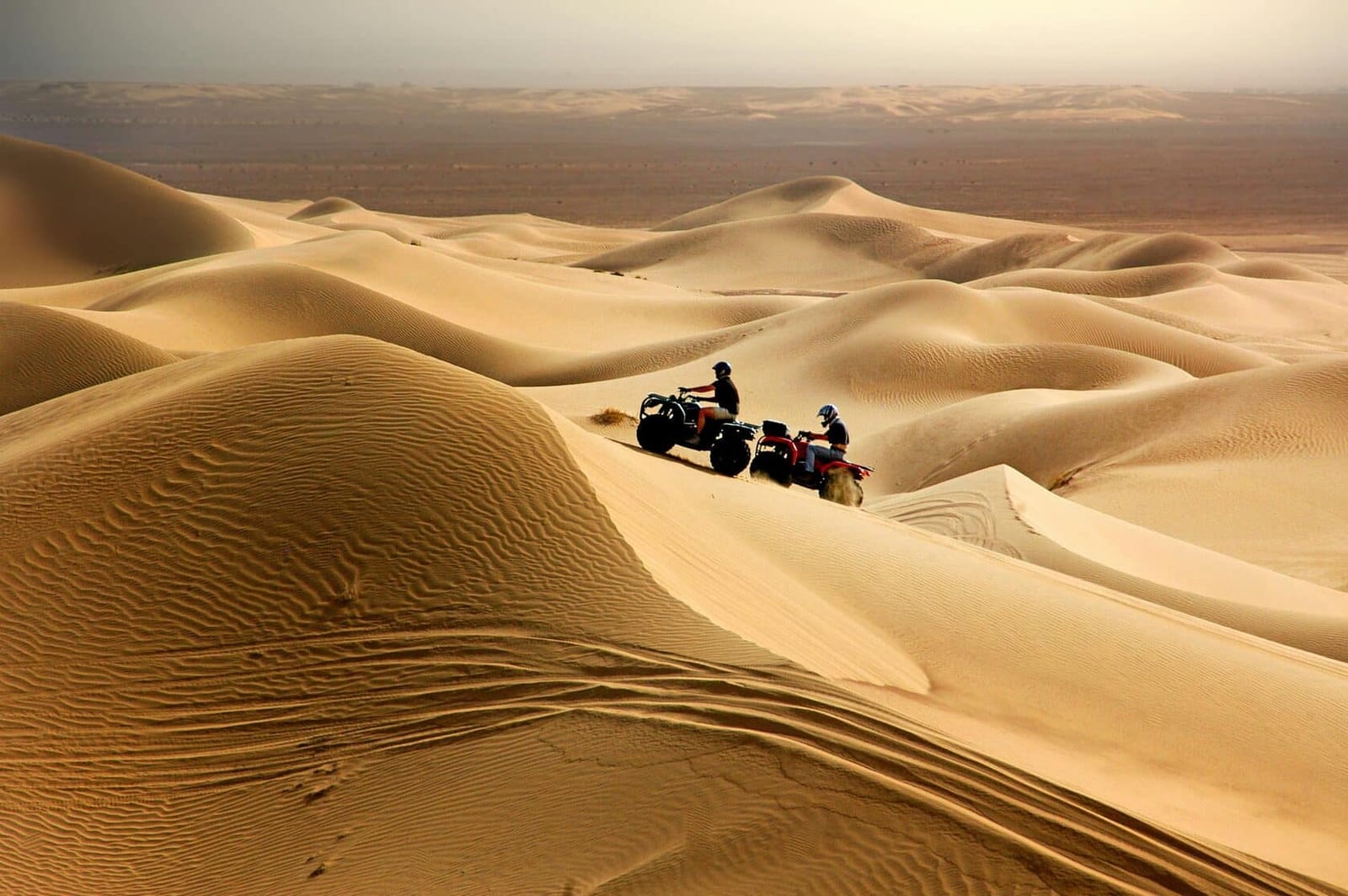
It is the slow-travel version of the classic safari: more time on the dunes, sunset without the crowds and a full evening programme at a premium camp with air-conditioned tents, unlimited drinks and a large BBQ buffet with vegetarian and gluten-free options. Everything is arranged from the hotel door — a licensed English-speaking driver, the 4x4, the camp and the shows.
- Duration
- 7 hours
- Area
- Lahbab Desert, Dubai
- Format
- Full-day desert safari
- Best for
- families, couples and first-time desert visitors who want the full evening programme
From $45 per person No prepayment
View tour
Abu Dhabi City Tour from Dubai
It is the classic capital day in one organised loop: the mosque before the midday heat and crowds, the newly opened BAPS Mandir, the skyline from the Corniche, Bedouin history at Heritage Village and a photo op at Ferrari World. Transport, a licensed guide, mosque registration assistance and bottled water are included; the $45 shared tour covers all free-entry sites, and a private VIP car for up to 7 people is $245.
- Duration
- 9 hours
- Area
- Abu Dhabi, UAE
- Format
- Full-day guided city tour (shared or private)
- Best for
- families, seniors and first-time visitors who want the capital's landmarks in one day
From $45 per person No prepayment
View tour
Dubai Marina Shared Yacht Tour
It is the most stylish way to see the skyline without paying for a private charter: a premium yacht with spacious decks and 5-star hospitality, a red carpet at the pier and the crew helping with photos against JBR and Ain Dubai. Full pre-payment secures your slot — the hourly departures sell out — and the yacht leaves strictly on time.
- Duration
- 1 hour
- Area
- Dubai Marina
- Format
- Shared 1-hour sightseeing cruise
- Best for
- families, couples and anyone who wants the Marina skyline from the water without a private charter
From $32 per person Full prepayment
View tour📚 Keep reading
Photos: Streets, souks and anywhere with people — Radosław Botev, CC BY 3.0 pl, Mosques, malls and Old Dubai — Pmk58, CC BY-SA 4.0 (Wikimedia Commons).