

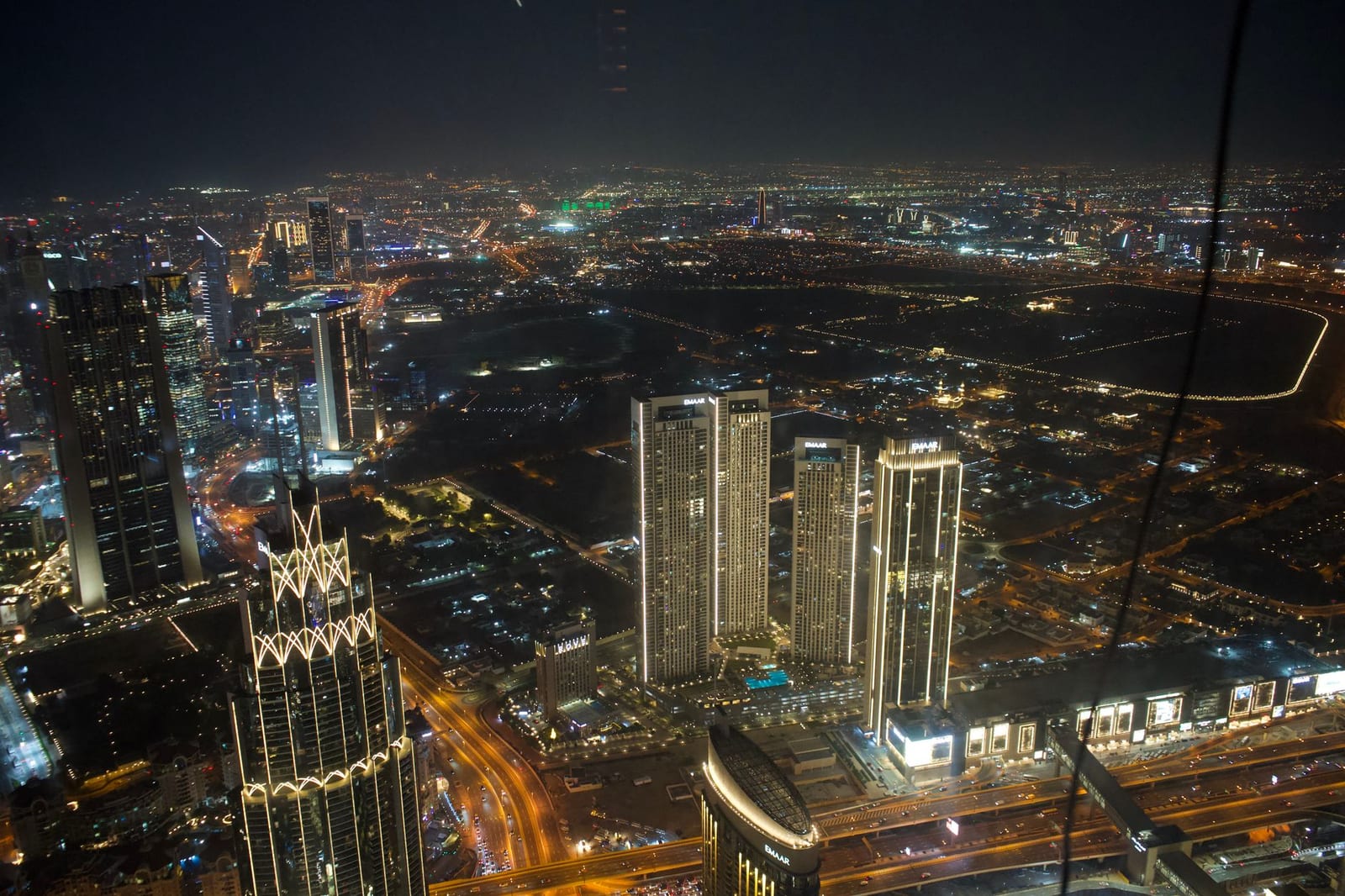
Yes, Dubai is one of the safest big cities in the world for tourists. Petty crime is rare, the streets and the metro are safe at night, and a woman walking back to her hotel alone at midnight is unremarkable. The risks worth planning for are practical rather than criminal: 38-45°C heat from May to September, wide roads crossed only at the crossings, rip currents at open beaches, the desert without a licensed operator, and a short list of local laws on alcohol, dress and behaviour that are stricter than at home and enforced. This guide takes each in turn, with what it means for your tours.
By SB Excursions · Published 15 September 2026 · Updated 15 September 2026
Tour on this route: Full-Day Desert Safari in Dubai — From $45 per person, 7 hours.
Is Dubai safe for tourists?
Yes. Dubai is one of the safest big cities in the world for visitors: petty crime is rare and the streets, metro and taxis are safe at night. The risks to plan for are practical: 38-45°C heat from May to September, traffic when you cross on foot, rip currents at open beaches, the desert without a licensed operator, and local laws on alcohol (21+, licensed venues only), dress and behaviour. The police number is 999.
This guide also answers:
- What laws should tourists know in Dubai?
- Is dune bashing safe?
- Is it safe to swim in Dubai?
The real risks, ranked
 #1
Heat and dehydration
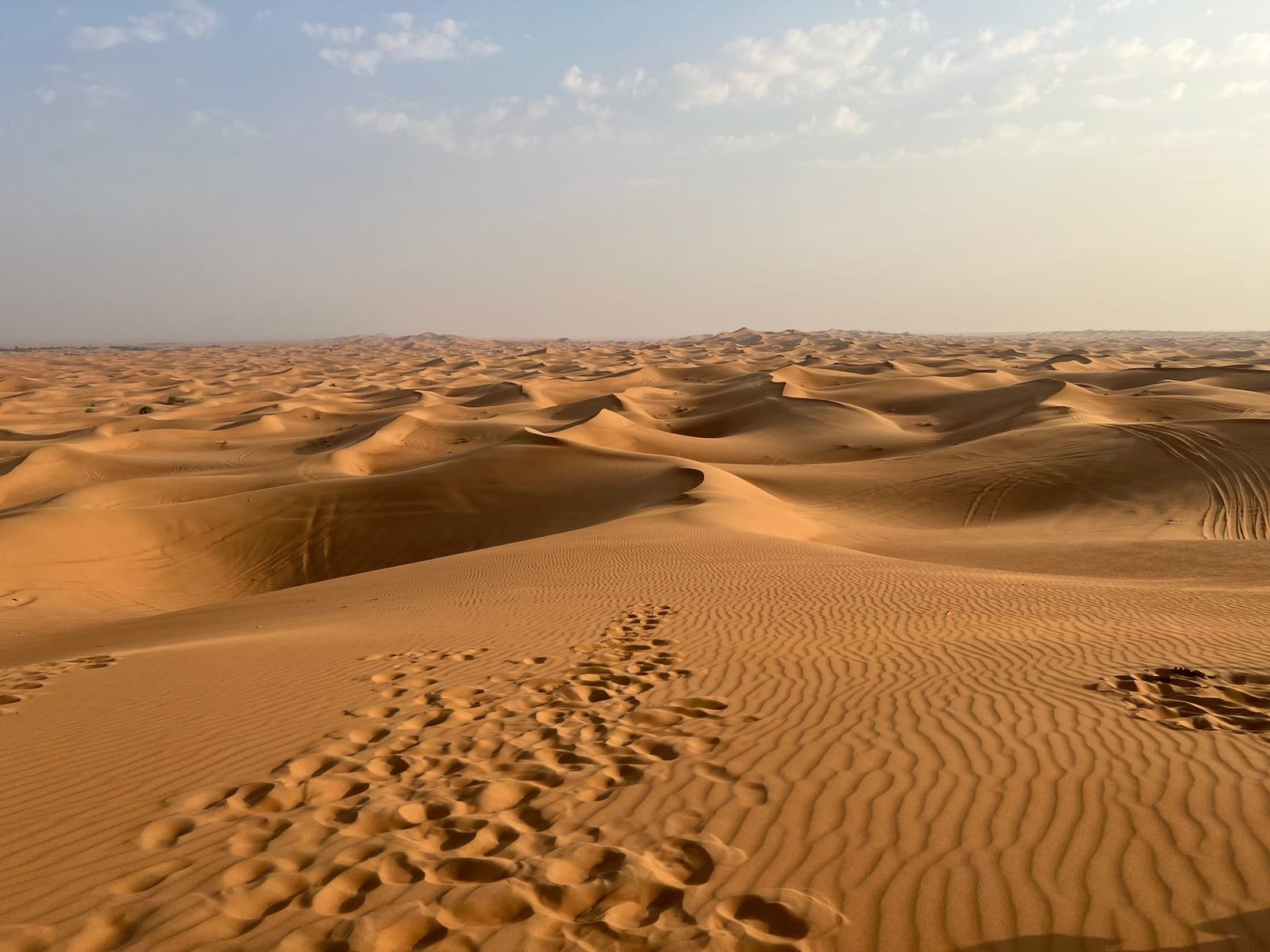
Nothing in Dubai sends more visitors indoors than the sun. From May to September days run 38-45°C, nights stay above 30°C and July to September add heavy humidity; even the pleasant season brings 30-38°C afternoons in April and October. The answer is timing: early starts, shade and water at midday, and the desert, the sea and the city in the evening.
 #2
Roads and crossings
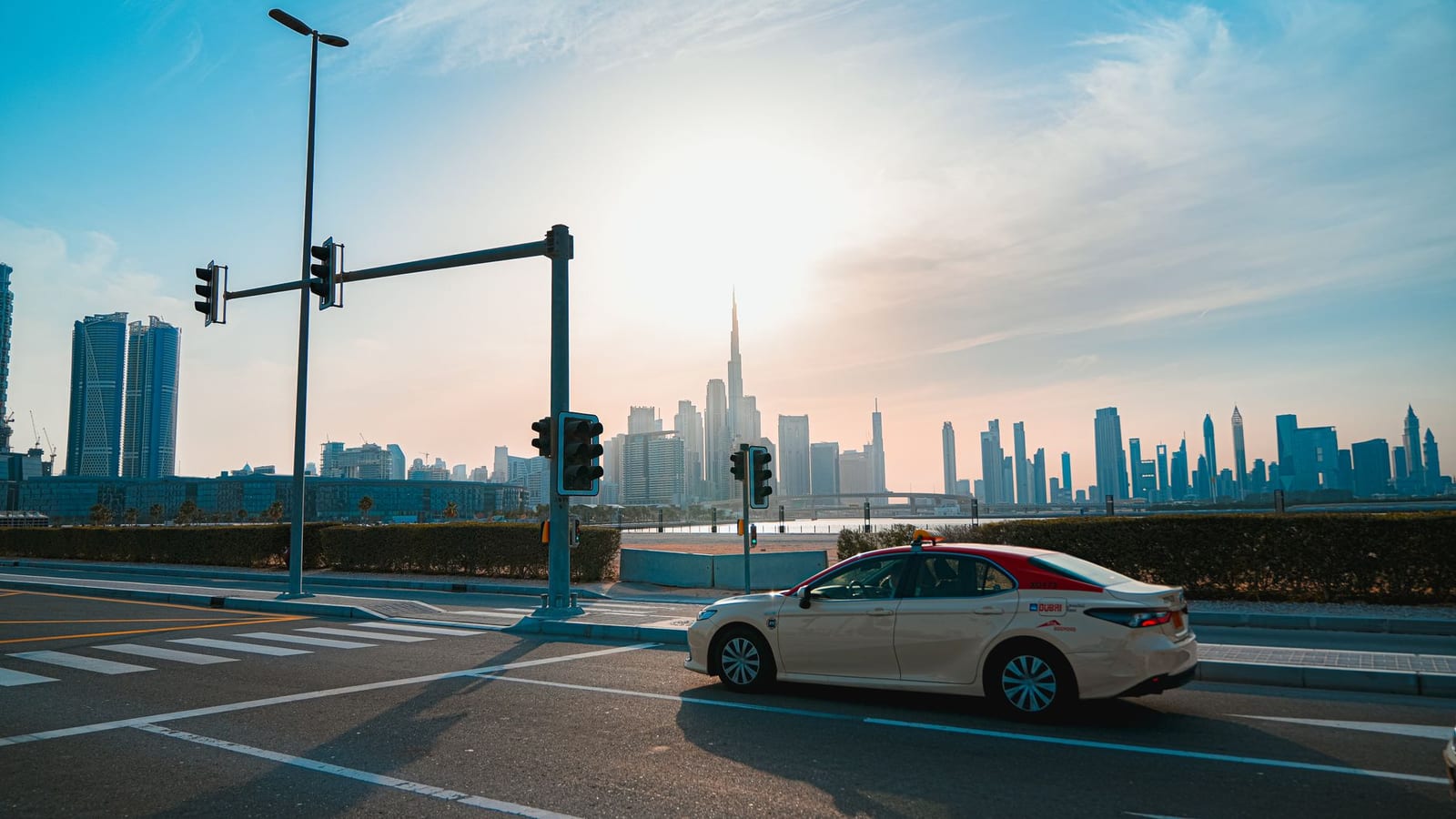
Dubai roads are wide, fast and well policed, and the danger is not the taxi you are in but the eight lanes you try to cross on foot. Use the signalled crossings and the footbridges even when the detour is 300 metres, and never rely on a driver stopping for you. Rush hours run 7-9:30 AM and 5-8 PM, when the junctions are at their busiest.
 #3
The sea at open beaches
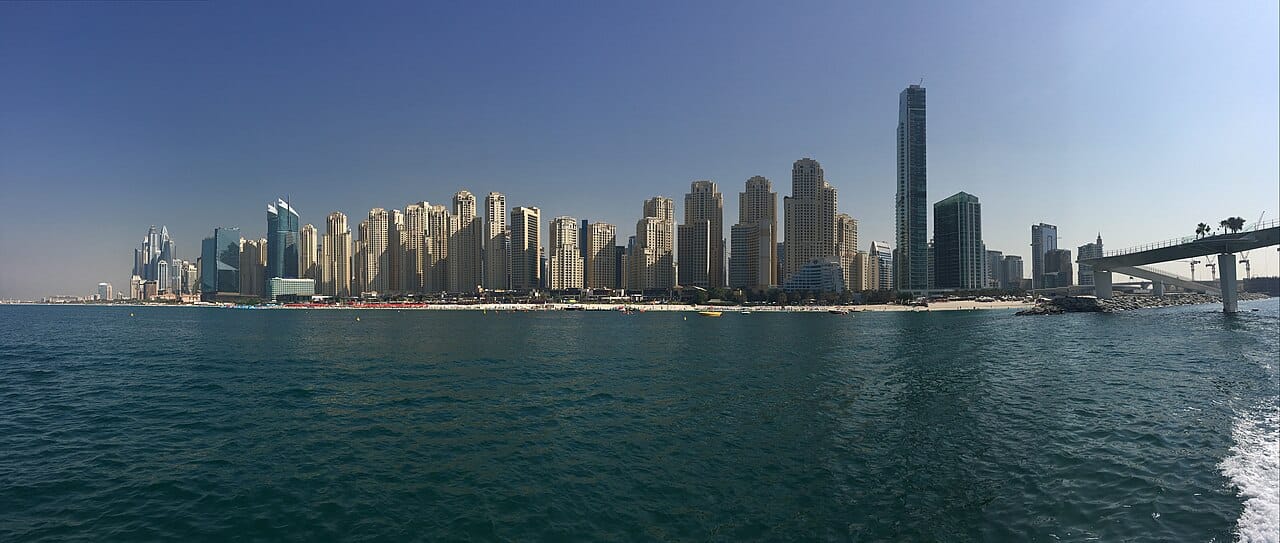
The Gulf is warm, 20-24°C in winter and up to 33°C in summer, and usually calm, but open beaches get rip currents, so swim where there are flags and lifeguards and respect a red flag. On a yacht, swimming happens only at anchor in daylight, within three metres of the boat, with life jackets for children under ten and never while the boat is moving.
 #4
The desert without a licensed operator
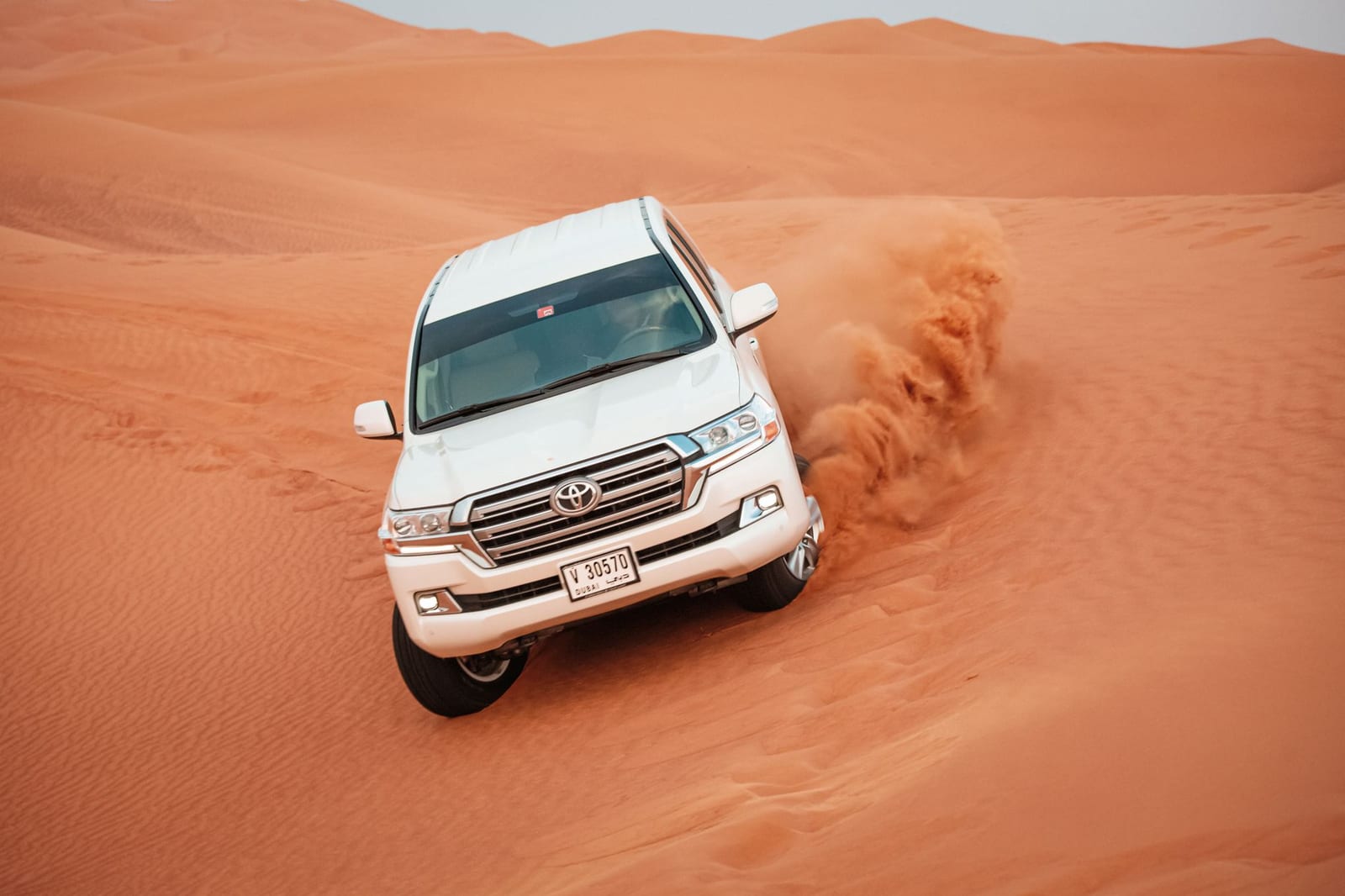
The Red Dunes are 45-60 minutes from your hotel and easy to reach on the E44, which is the temptation: a rental SUV on street tyres with no recovery kit is how visitors end up stuck in the sand in 40°C heat. With a licensed operator the 4x4 is built for it, the driver adjusts the intensity to the group, and there is a camp with water and shade at the end.
 #5
Laws you do not have at home
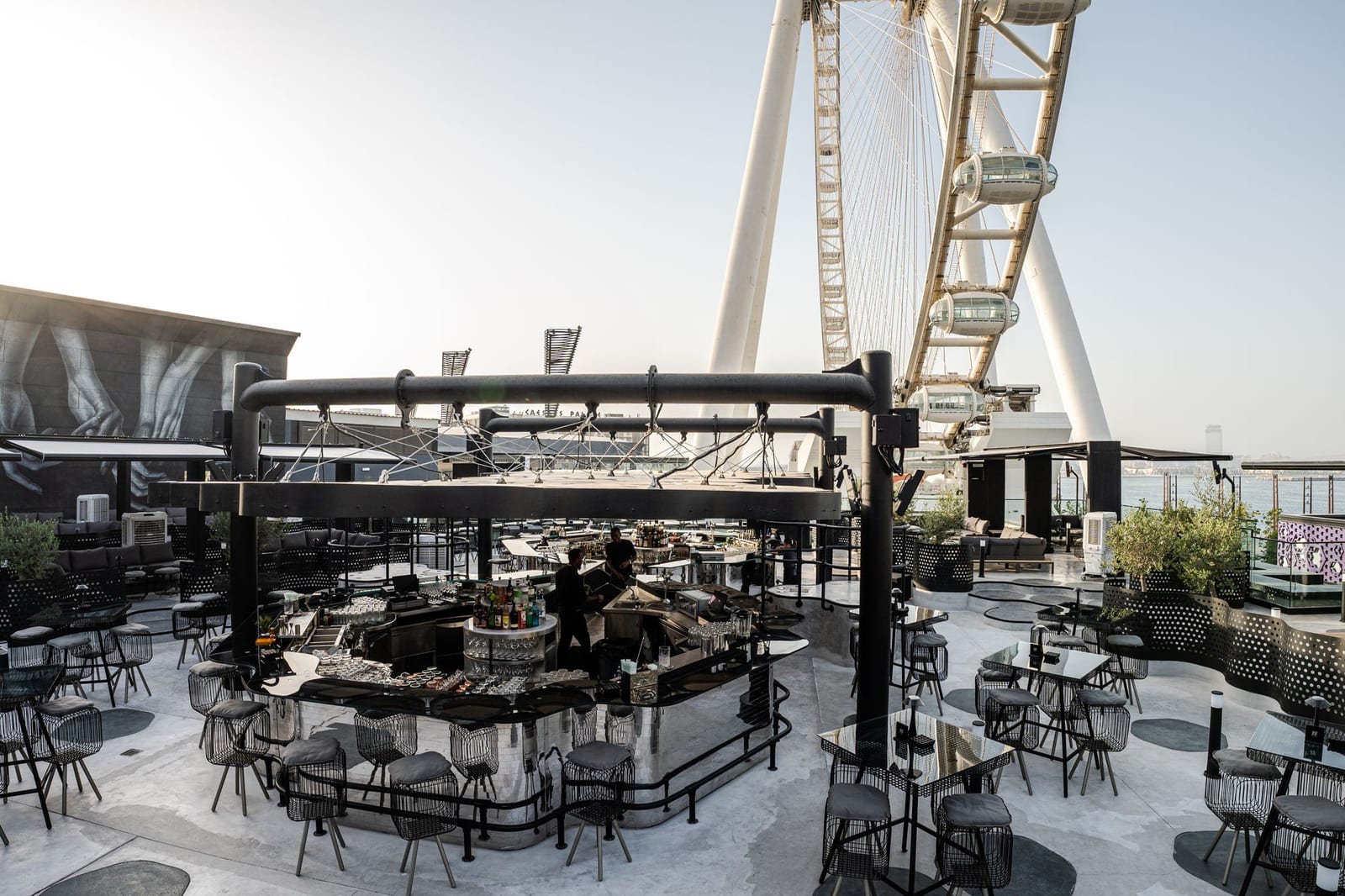
The trouble visitors run into is usually a rule they did not know existed: drinking outside a licensed venue, a rude gesture in traffic, a photo of a stranger, a prescription without paperwork. The rules are few, clear and listed in this guide, following them costs nothing, and the licensed bar with Ain Dubai lit up behind it is exactly where the evening is meant to happen.
The short answer: yes, and the risks are practical, not criminal
Dubai is one of the safest big cities in the world for tourists. Petty crime is rare and violent crime against visitors rarer still. The metro, the taxis and the busy waterfronts are safe late at night, and the police and emergency number, 999, is one most visitors never dial.
The risks that actually affect visitors are different from the ones people worry about before they arrive: heat from May to September, traffic when you cross on foot, the sea at open beaches, the desert if you go without a licensed operator, and local laws on alcohol, dress and behaviour that are stricter than at home and enforced. Each gets a section below, with what it means for the tours you are planning.
A note on scope: this guide is about physical safety and the law. The money side, from tips to fees, lives in tipping in Dubai. And when we say licensed operators, we mean it about ourselves too. Our drivers, guides, pilots and captains hold the licences the emirate requires, which is the single biggest safety lever a visitor controls.
Crime: what happens and what does not
Pickpocketing, bag snatching and street scams, the things that shape a trip to some other big cities, are rare here. Hotels, malls, the metro and the waterfronts are monitored, and the city's reputation for order is deserved. This does not make the usual habits pointless, it makes them cheap: keep the passport in the hotel safe with a photo of it on your phone (you need a copy for yacht boarding, the balloon manifest and the Abu Dhabi security checks anyway), and book rides through the meter or an app rather than with an unmarked car waiting at a mall exit.
At night the busy districts stay busy. Marina Walk, The Walk at JBR, Downtown around the Fountain and Al Seef on the Creek are full of families until late; the metro runs from about 5 AM until midnight or 1 AM depending on the day; RTA taxis are metered and regulated; and pink-roofed ladies' taxis with women drivers can be requested. A quiet residential street at 2 AM is as safe as it looks, which in Dubai means very.
If something does go wrong, dial 999 for the police. Report a lost passport to your consulate as well as the police, and keep the hotel's number in your phone; hotel staff are used to helping with both.
The laws that catch visitors out
The laws below are the ones that differ most from home. None is hard to follow, and following them is the whole of staying out of trouble in Dubai.
- Alcohol: 21+, licensed venues only. Hotels, licensed restaurants, bars, clubs and licensed boats. No drinking in public places, no being drunk in public (the taxi and the hotel lobby count), and Sharjah next door is dry. The full picture is in alcohol laws in Dubai for tourists.
- Dress: shoulders and knees covered in malls, Old Dubai, mosques and government buildings; swimwear only at beaches and pools. Mosques require covered arms and legs and a headscarf for women. Our dress code guide goes place by place, from the beach to the Grand Mosque.
- Affection: holding hands is fine; anything beyond it in public is not.
- Photos: never photograph people, especially women, without consent, and never government or military buildings. Drones need a DCAA permit.
- Language and gestures: swearing and rude gestures are offences, in traffic and online alike. Leave the road rage at home.
- Drugs and medicines: zero tolerance on drugs; some prescription medicines need paperwork, so carry the prescription and check the rules before you fly. E-cigarettes are legal; smoking is for designated areas only.
- Ramadan: visitors can eat in most restaurants in daytime now, alcohol is served in hotels usually from the evening, and loud entertainment pauses; the dates move about 11 days earlier every year, so check them for your trip. What changes and what stays is in Ramadan in Dubai for tourists.
Dress the way you would for a good restaurant, drink where the licence is, keep your hands and your camera to yourself, and a week passes without a single awkward moment. The rules are also why the city feels the way it does at midnight.
Heat: the risk that changes plans
Heat is the risk that actually reshapes a trip. From May to September days reach 38-45°C, nights stay above 30°C and July to September add heavy humidity; April and October are 30-38°C and workable with an early start; November to March is the season, 20-30°C by day and 14-20°C at night. Dehydration and sunburn creep up on visitors who treat a 40°C afternoon like a hot day at home.
| Months | Days | Nights | Sea | What it means for the tours |
|---|---|---|---|---|
| November-March | 20-30°C | 14-20°C | 20-24°C | Everything works: desert, balloon, yachts, walking |
| April and October | 30-38°C | Warm | 26-30°C | Early starts; the desert in the evening; the balloon still flies |
| May-September | 38-45°C | 30°C+, humid from July | Up to 33°C | Indoors by day; evening safari, night yacht party, dawn starts |
The tactics are simple: drink water before you are thirsty and carry a bottle, keep the midday hours for malls, museums and the air-conditioned Metro Link bridge at Burj Khalifa, wear a hat and high-SPF sunscreen, and do the outdoor things early or after 5 PM.
Our tours are built around the same logic. The desert safari runs in an air-conditioned 4x4, the camp has air-conditioned tents, and water, soft drinks, tea and Arabic coffee are unlimited. The Abu Dhabi day reaches the Grand Mosque before the midday heat and carries bottled water, because the capital runs 2-3 degrees hotter than Dubai. The balloon flies at sunrise, the coolest hour of the desert day, and the yachts run at sunset and at night through the summer. The full hot-season playbook is in Dubai in summer.
Roads: cross at the crossings, leave the desert driving to us
Traffic is the most ordinary risk in Dubai and the one that deserves a paragraph. Roads are wide and fast, junctions are long, and pedestrians are expected to use the signalled crossings and footbridges; do, even when the detour looks silly, and never step out assuming a car will stop. Sheikh Zayed Road is not crossed on foot anywhere, and the metro stations double as its footbridges.
In the car: RTA taxis are metered, licensed and everywhere, and Careem, Uber and Hala are the apps. All of them are a better idea than a rental car for a first-time visitor who does not know the roads. Rush hours are 7-9:30 AM and 5-8 PM on Sheikh Zayed Road, plus Friday and Saturday evenings around Downtown and the Marina, and around the Dubai Mall car parks at Fountain time; that is congestion, not danger, but it is worth 15-30 minutes in any plan.
The one drive we ask visitors not to make themselves is the one to the desert. The Lahbab dunes are 45-60 km east on the E44 and easy to find; what a hired SUV lacks is the tyres, the recovery gear and the driver who reads the sand. On our safari the licensed driver-guides do this every day in vehicles built for it, and because pickup from your hotel in Dubai, Sharjah or Ajman is included, there is no reason to drive at all.
The sea: flags, rip currents and the yacht rules
The Gulf off Dubai is warm and usually calm, 20-24°C in winter and up to 33°C at the end of summer. The realistic danger is the rip current at an open beach, so swim at the flagged, lifeguarded public beaches and respect a red flag when it is up; a calm-looking sea is the one that catches strong swimmers.
On boats the rules are written by the Coast Guard, and licensed operators follow them. On the shared 1-hour yacht tour every guest carries an original passport or Emirates ID (a Coast Guard requirement), life jackets are carried in all sizes, and if the Coast Guard closes the water for weather the trip is refunded or moved to the next slot. On a private charter swimming happens only at anchor in daylight, off the Palm or JBR, within three metres of the yacht; the Coast Guard closes swimming around 7 PM in summer and 5 PM in winter; nobody jumps while the boat is moving; children under 10 wear life jackets in the water and on deck, under-21s stay with an adult, and babies under two stay in the saloon or a cabin with a parent.
Seasickness is the realistic complaint, not danger: the Marina and JBR waters are sheltered and the yachts are stable, but if you are sensitive take a tablet 30 minutes before boarding. The yacht party is subject to sea conditions in the same way, and safety comes before the schedule.
The desert and the sky: what a licensed operator means
Dune bashing is a thrill ride, and the reason it is safe is the licence and the vehicle. On the full-day desert safari the drivers are professionally licensed, the 4x4s are modern and carry safety gear, and the intensity of the 30-45 minute session is adjusted to the group: say so on WhatsApp when you book if you want a gentler line, and ask for the front seat if you get carsick. The safari is not recommended for pregnant women, people with back or heart problems, or infants under 3, and a heavy meal 2-3 hours before pickup is the surest route to motion sickness.
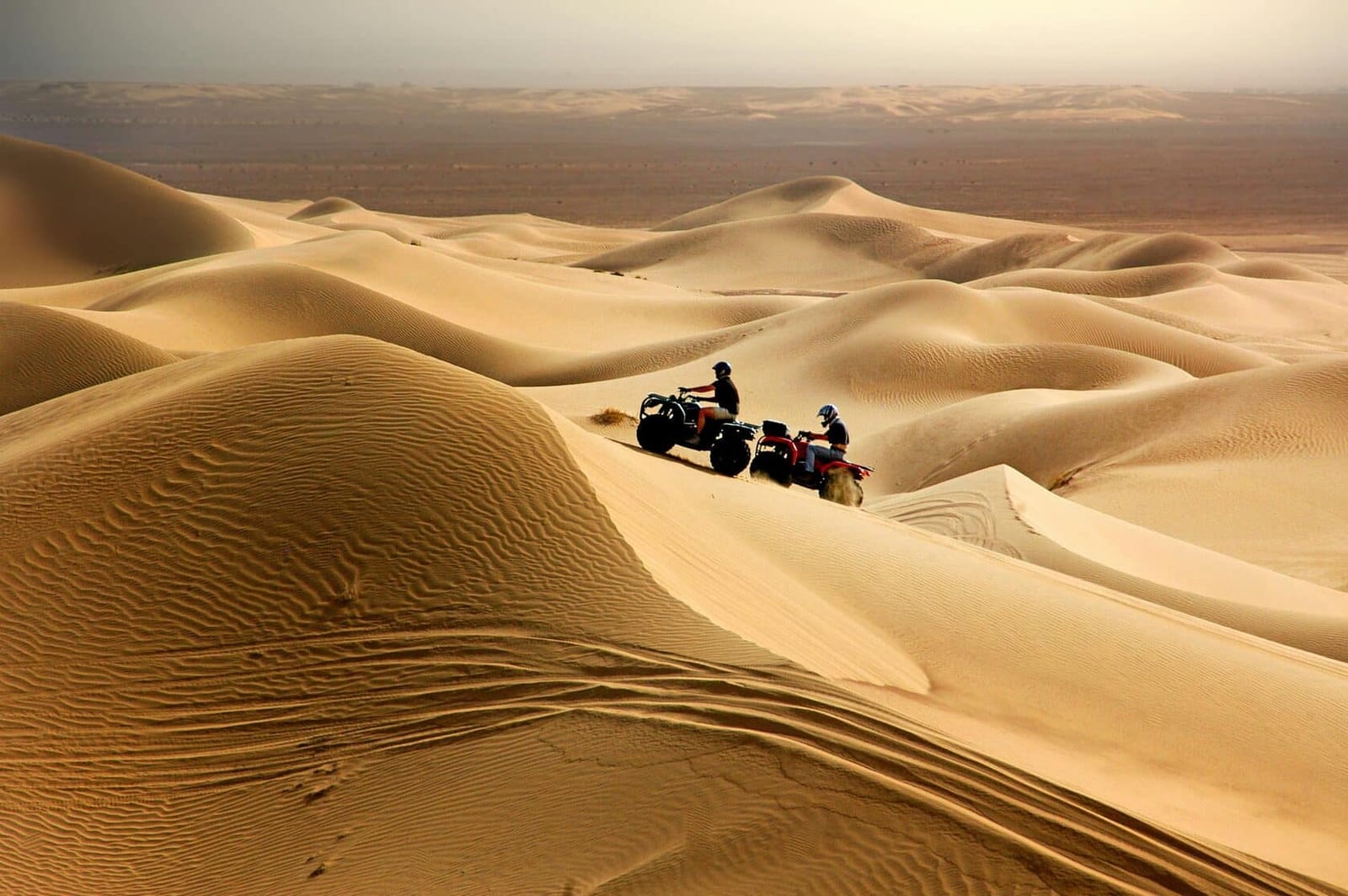
Quad bikes and buggies are self-driving activities taken at your own risk, on a designated area with a briefing: no licence is needed, children under 16 ride accompanied by an adult, and the guide's instructions are not optional. In winter, December to February, bring a light jacket for the evening at the camp; the tents are air-conditioned, which is a summer comfort rather than a winter one.
In the air the standard is stricter still. The sunrise balloon is flown by GCAA-licensed pilots for 40-70 minutes at 2,000-4,000 feet, and every flight is weather-dependent: if the pilots cancel, you get a full refund or a new date, which is the rule you want rather than the exception. The flight is not for children under 7, guests over 80, pregnant women or anyone with serious heart or back issues, guests over 120 kg may be charged extra under safety regulations, and a passport or ID is required for the flight manifest. That list is what a licensed operation looks like. Book one to two weeks ahead; the baskets sell out.
Solo women, families and a checklist
Solo women are a large part of the visitors we meet, and Dubai is one of the easier cities for it. Walking alone at night in the Marina, JBR, Downtown or Old Dubai is ordinary; the first carriage sections of every metro train are reserved for women and children; ladies' taxis with women drivers exist; and the dress standard (shoulders and knees covered away from the beach) is about respect, not restriction. On the water, the yacht party is a 21+ shared night with a professional crew and a crowd that runs close to 50/50, and the shared hour and the day tours are family crowds.
Families get age rules rather than warnings. On the safari, children over 5 usually enjoy it most, under-12s ride the camel with an adult and under-3s should stay home; quads are for under-16s only with an adult; the balloon has a minimum age of 7; on the shared yacht life jackets come in every size and children are welcome; on a charter, under-10s wear life jackets in the water and on deck. Heat is the family risk to respect: plan the pool for midday and the sights for the morning and the evening. The full family plan is in Dubai with kids.
- Police and emergencies: 999.
- Passport in the hotel safe, a clear copy on your phone: it boards yachts, flies balloons and passes the Abu Dhabi checks.
- Water before thirst, shade at midday, sunscreen and a hat from April to October.
- Cross at crossings and footbridges; never on Sheikh Zayed Road.
- Swim at flagged beaches; on a yacht, only at anchor and only in daylight.
- Desert only with a licensed operator: licensed drivers, proper 4x4s, a camp at the end.
- Alcohol 21+ in licensed venues, shoulders and knees covered in town, no photos of strangers, medicines with paperwork.
FAQ
Is Dubai safe for tourists?
Yes. Dubai is one of the safest big cities in the world for visitors: petty crime is rare and the streets, metro and taxis are safe at night. The risks to plan for are practical: 38-45°C heat from May to September, traffic when you cross on foot, rip currents at open beaches, the desert without a licensed operator, and local laws on alcohol (21+, licensed venues only), dress and behaviour. The police number is 999.
Is Dubai safe for solo female travellers?
Yes, and it is one of the easier cities for it. Walking alone at night in the Marina, JBR, Downtown or Old Dubai is ordinary, the first carriage sections of the metro are reserved for women and children, and ladies' taxis with women drivers can be requested. Cover shoulders and knees away from the beach, and expect the same courtesy back.
What laws should tourists know in Dubai?
Alcohol only at 21+ in licensed venues and never in public; shoulders and knees covered in malls, Old Dubai and mosques, with a headscarf for women at mosques; no public affection beyond holding hands; no photos of people without consent or of government buildings; no swearing or rude gestures; zero tolerance on drugs and paperwork for some prescription medicines. Sharjah is dry.
Is dune bashing safe?
With a licensed operator, yes. On our full-day safari the drivers are professionally licensed, the 4x4s are modern with safety gear, and the 30-45 minute session is adjusted to the group; ask for a gentler ride if you want one. It is not recommended for pregnant women, people with back or heart problems, or infants under 3, and never with a hired car on your own.
Is it safe to swim in Dubai?
At the flagged, lifeguarded public beaches, yes; the sea is 20-24°C in winter and up to 33°C in summer. Open beaches can have rip currents, so respect a red flag. On a private yacht, swimming is only at anchor in daylight within three metres of the boat, the Coast Guard closes it around 7 PM in summer and 5 PM in winter, and children under 10 wear life jackets.
Is Dubai safe in summer?
Safe, but hot: 38-45°C by day from May to September and above 30°C at night with heavy humidity from July. Dehydration and sunburn are the real risks. Keep midday indoors, start early, carry water, and use the evening formats: the desert safari in its air-conditioned 4x4 and tents, the 9 PM yacht party, the sunrise balloon at the coolest hour.
Is Dubai safe for families with children?
Yes; the rules are about age, not danger. The safari suits children over 5, with under-12s riding the camel alongside an adult and under-3s staying home; quads need an adult for under-16s; the balloon has a minimum age of 7; the shared yacht carries life jackets in every size; on a charter under-10s wear them in the water and on deck. Plan the pool for midday heat.
Recommended Dubai tours for this guide
Full-Day Desert Safari in Dubai
It is the slow-travel version of the classic safari: more time on the dunes, sunset without the crowds and a full evening programme at a premium camp with air-conditioned tents, unlimited drinks and a large BBQ buffet with vegetarian and gluten-free options. Everything is arranged from the hotel door — a licensed English-speaking driver, the 4x4, the camp and the shows.
- Duration
- 7 hours
- Area
- Lahbab Desert, Dubai
- Format
- Full-day desert safari
- Best for
- families, couples and first-time desert visitors who want the full evening programme
From $45 per person No prepayment
View tour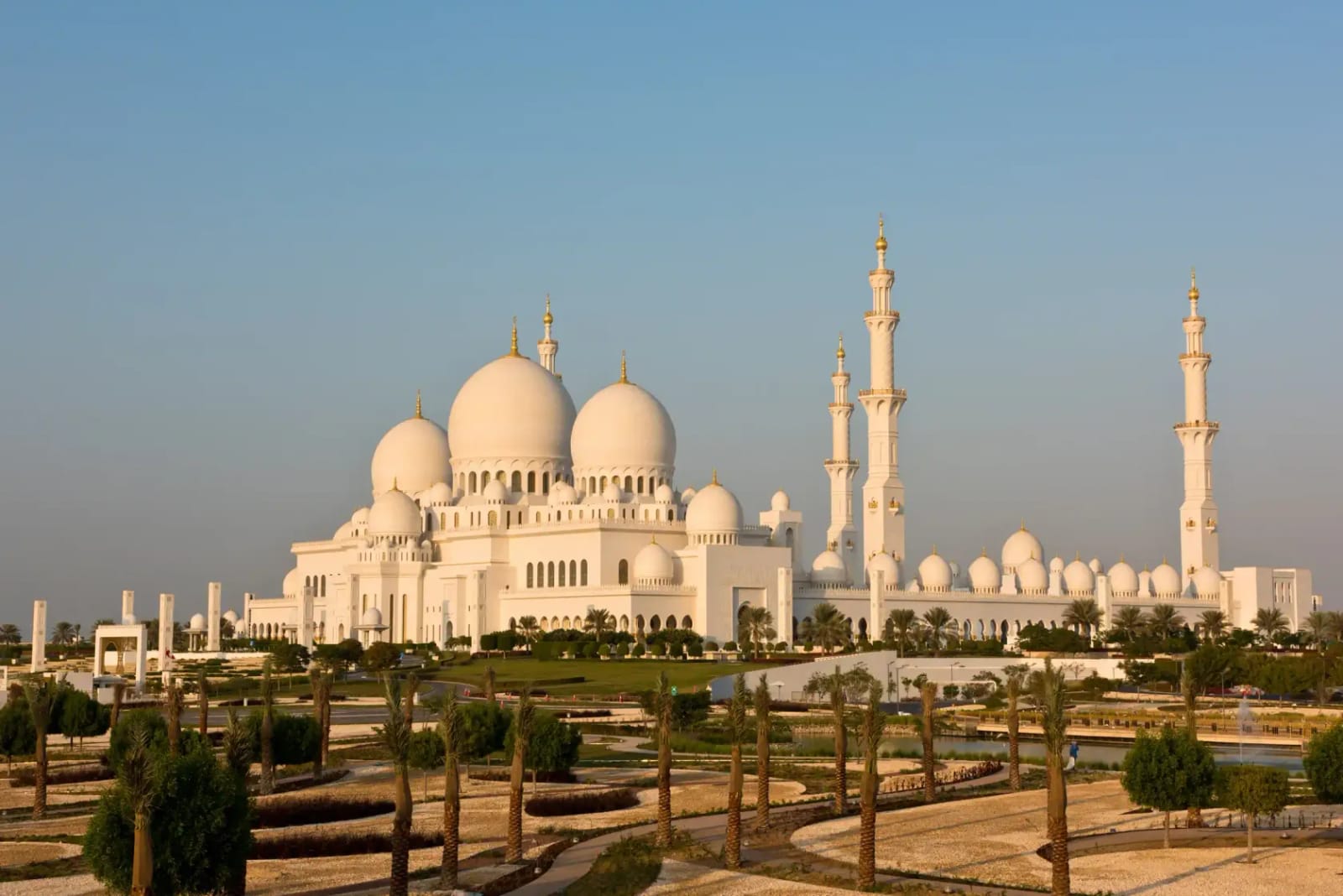
Abu Dhabi City Tour from Dubai
It is the classic capital day in one organised loop: the mosque before the midday heat and crowds, the newly opened BAPS Mandir, the skyline from the Corniche, Bedouin history at Heritage Village and a photo op at Ferrari World. Transport, a licensed guide, mosque registration assistance and bottled water are included; the $45 shared tour covers all free-entry sites, and a private VIP car for up to 7 people is $245.
- Duration
- 9 hours
- Area
- Abu Dhabi, UAE
- Format
- Full-day guided city tour (shared or private)
- Best for
- families, seniors and first-time visitors who want the capital's landmarks in one day
From $45 per person No prepayment
View tour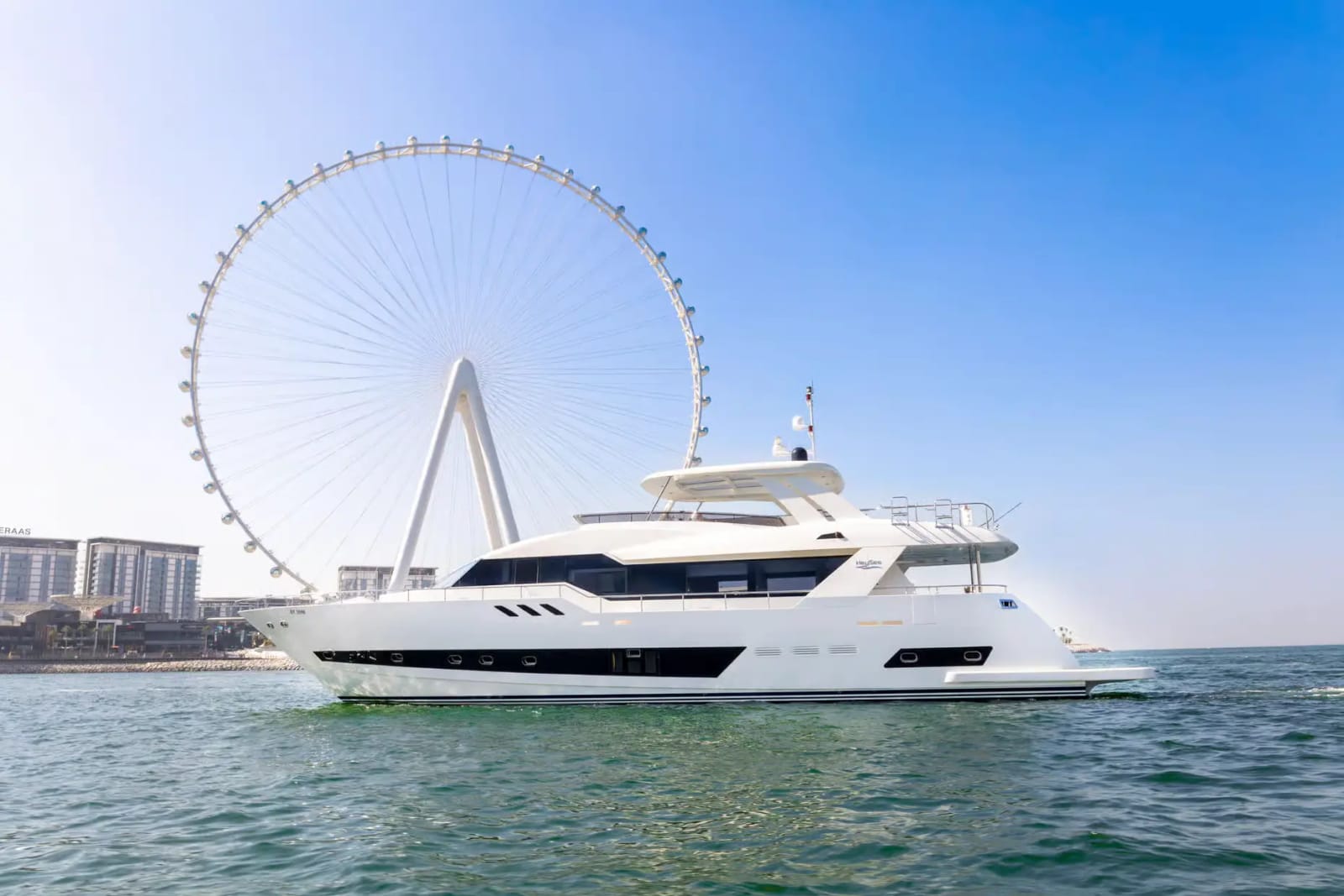
Dubai Marina Shared Yacht Tour
It is the most stylish way to see the skyline without paying for a private charter: a premium yacht with spacious decks and 5-star hospitality, a red carpet at the pier and the crew helping with photos against JBR and Ain Dubai. Full pre-payment secures your slot — the hourly departures sell out — and the yacht leaves strictly on time.
- Duration
- 1 hour
- Area
- Dubai Marina
- Format
- Shared 1-hour sightseeing cruise
- Best for
- families, couples and anyone who wants the Marina skyline from the water without a private charter
From $32 per person Full prepayment
View tour📚 Keep reading
Photos: The sea at open beaches — Sergei Gussev, CC BY 2.0 (Wikimedia Commons).