

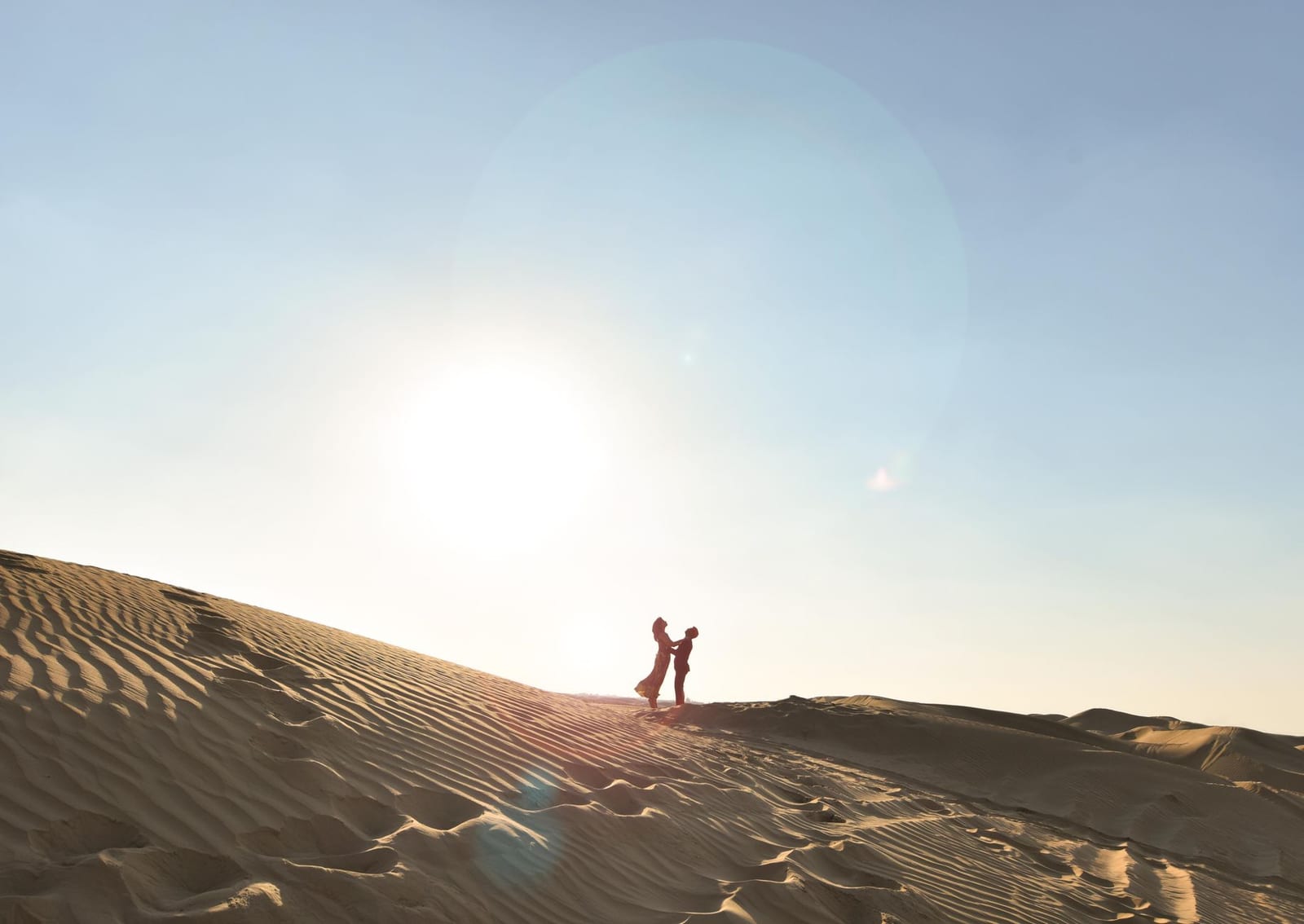
November to March is the best time for a desert safari in Dubai: 20-30°C afternoons on the dunes, 14-20°C evenings at the camp and a sunset early enough — about 5:30 PM in December — for the dinner and shows to run in cool air. April and October are hot but workable; from May to September the safari still runs, in air-conditioned 4x4s and tents, but the afternoon is 38-45°C. Our full-day desert safari keeps the same 7-hour programme and the same price from $45 in every month. What changes is the heat, the sunset time, what you wear and how far ahead to book.
By SB Excursions · Published 15 September 2026 · Updated 23 October 2026
Tour on this route: Full-Day Desert Safari in Dubai — From $45 per person, 7 hours.
When is the best time of year for a desert safari in Dubai?
November to March. Daytime temperatures are 20-30°C, the camp evening cools to 14-20°C and sunset falls between about 5:30 PM in December and 6:25 PM in March, so the golden hour and the dinner both happen in comfortable air. January is the coolest month, December the busiest. The 7-hour full-day safari runs from $45 all year; summer safaris run too, in air-conditioned 4x4s and tents, but the afternoon is 38-45°C.
This guide also answers:
- Is it too hot for a desert safari in summer?
- What time is sunset in the Dubai desert?
- How cold does the desert get at night in winter?
The four seasons of the Lahbab desert
 #1
November to February
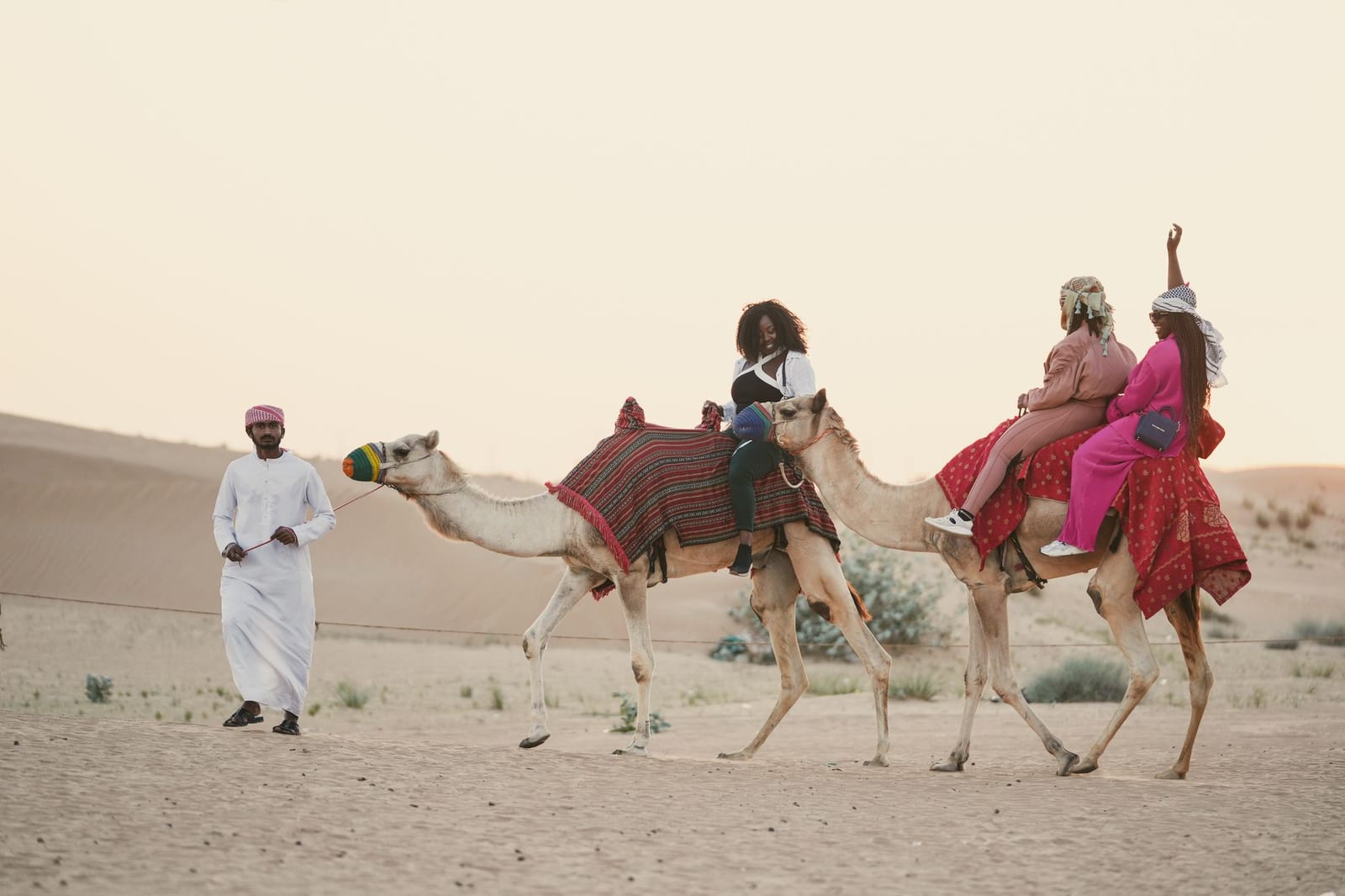
The months the safari was designed for. Warm, dry afternoons for dune bashing and sandboarding, a low sun that keeps the golden hour long, and evenings cool enough to watch the fire show from outside the tent. January is the coolest month, so bring a jacket for the camp. December is the busiest, so agree your date a week or two ahead.
 #2
March, April and October
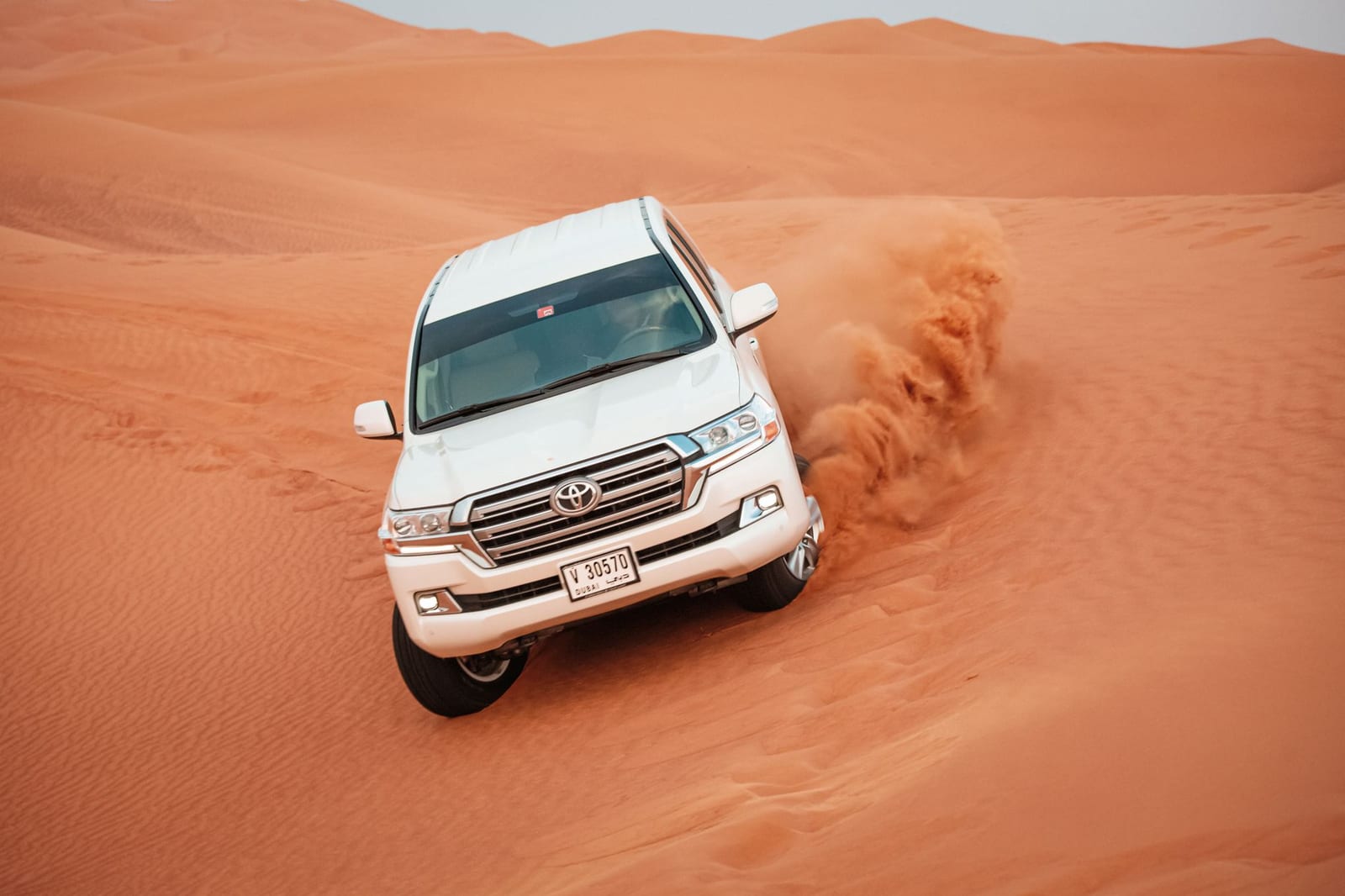
Hot afternoons that an air-conditioned 4x4 makes easy, and some of the most pleasant evenings of the year once the sun is down. Late March still feels like the season; late October is when the desert becomes comfortable again after summer. Sunset moves between about 5:55 PM and 6:40 PM, so pickups run a little later than in winter.
 #3
May to September
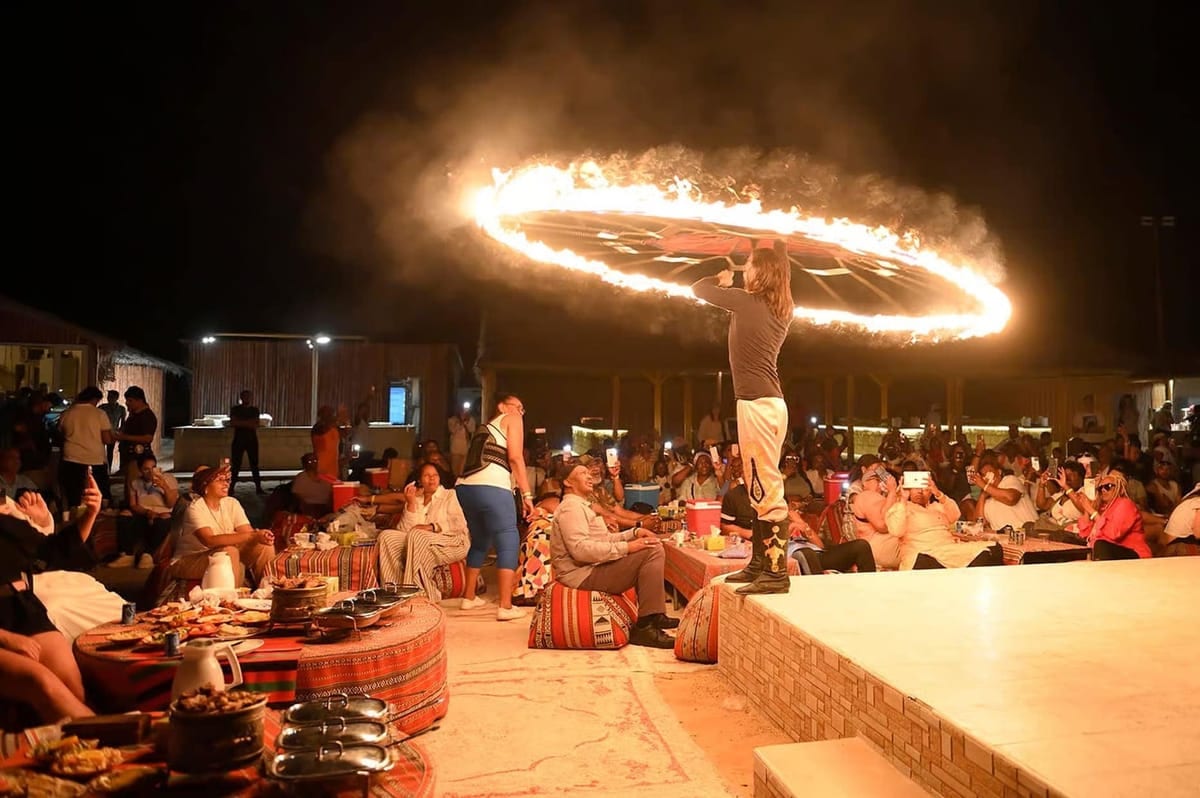
The safari runs every day of summer, but it is a different day: a later pickup for a 7 PM sunset, less time in full sun, and the whole camp programme in air-conditioned tents. Unlimited chilled water and soft drinks matter more than ever. Good for fit adults who came for the low-season hotel rates; not the month for toddlers or anyone with a heart condition.
 #4
Eid and the last two weeks of December
Not a weather season but a booking one. Eid al-Fitr and Eid al-Adha bring the whole Gulf to the desert camps, and the stretch from 1-3 December (Commemoration Day and National Day) to New Year is the busiest of the year. The safari still needs no prepayment, but the dates go, so message us early rather than the day before.
The short answer: November to March
November to March is the best time for a desert safari in Dubai. Daytime temperatures sit at 20-30°C, evenings at the camp fall to 14-20°C, the sky is usually clear and the sun sets early enough — about 5:30 PM in December — that the whole evening programme runs in comfortable air. January is the coolest month; November and February are the sweet spot between warm afternoons on the dunes and cool nights by the fire.
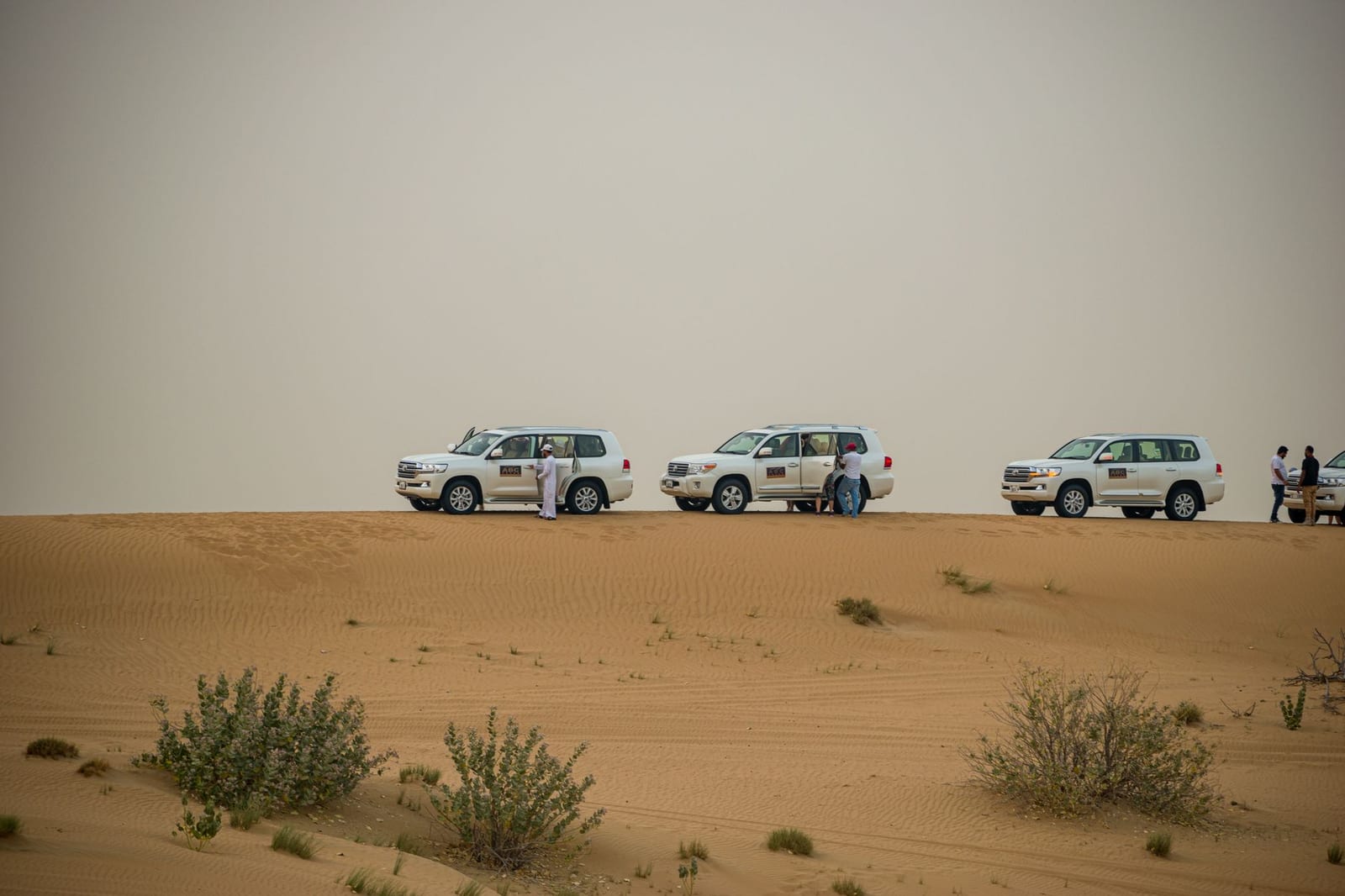
That said, the full-day desert safari runs every month of the year and the format never changes: hotel pickup in an air-conditioned 4x4, 30-45 minutes of dune bashing on the Lahbab Red Dunes, sandboarding, a camel ride at golden hour and dinner with shows in air-conditioned tents at Al Khayma camp. What changes with the calendar is how hot the afternoon is, when the sun goes down, what you wear and how far ahead you need to book. The rest of this guide takes that month by month.
Month by month: heat, sunset and the verdict
The table uses typical city daytime highs; the dunes run a few degrees hotter in the afternoon sun and cool faster after dark. Sunset times are approximate and shift by a few minutes within each month.
| Month | Daytime high (about) | Sunset (about) | Safari verdict |
|---|---|---|---|
| January | 20-24°C | 5:50 PM | The coolest month: perfect afternoons, a jacket at the camp |
| February | 21-26°C | 6:10 PM | Ideal; the weekends are the busiest of the season |
| March | 24-30°C | 6:25 PM | Very good: warm dunes, mild evenings; Ramadan in some years |
| April | 30-35°C | 6:40 PM | Good: a hot start, pleasant after sunset |
| May | 35-40°C | 6:55 PM | Hot: dune bashing in strong sun, the camp is fine after dark |
| June | 38-42°C | 7:10 PM | Very hot: the late sunset means a later pickup and a late return |
| July | 40-45°C | 7:10 PM | Peak heat and humidity; for the heat-tolerant only |
| August | 40-45°C | 6:55 PM | Peak heat; the AC tents and unlimited water do the work |
| September | 36-40°C | 6:25 PM | Still hot and humid, easing in the last week |
| October | 32-38°C | 5:55 PM | Good again, especially from mid-month |
| November | 25-30°C | 5:35 PM | Excellent: the season opens, weekends fill up |
| December | 21-26°C | 5:30 PM | Excellent but the busiest month: book a week or two ahead |
Temperatures are typical city values; check the forecast for your dates. Ramadan moves about 11 days earlier every year, so check the dates for your year.
Read the table as three bands. November to March is the season: any date works, and the choice is about crowds rather than weather. April and October are the shoulders: hot afternoons that an air-conditioned 4x4 handles easily, and evenings that are among the most pleasant of the year. May to September is summer: the safari runs, but it is an evening-in-the-dark experience rather than a golden afternoon, and the people who enjoy it most are those who came to Dubai knowing it would be 40°C.
Sunset times, and how the pickup moves with them
Everything on the safari is timed backwards from sunset. The 4x4 collects you at your hotel in the afternoon, the drive to Lahbab takes 45-60 minutes, dune bashing and sandboarding fill the bright part of the afternoon, and the camel ride and falcon photos are placed in the last golden hour before the sun goes. Dinner and the shows follow in the dark.
Because sunset moves by more than an hour and a half across the year — about 5:30 PM in December against about 7:10 PM in June — the pickup moves with it: earlier in winter, later in summer. The whole day still lasts about 7 hours, so a winter safari returns you to the hotel earlier in the evening than a summer one. We confirm the exact pickup time for your date on WhatsApp when you book, and there is no prepayment — you pay on the day.
For photographers the winter light is the better light. The sun sits lower in the sky through the afternoon, the shadows on the dune crests are sharper for longer, and a 5:30 PM sunset means the stars are out by the time the fire show starts. If the sunset photo is the reason you are going, book between November and February and ask for the front seat of the 4x4 for the drive across the dunes.
April and October: the shoulder months, and how to use them
April and October are the months people underrate. Daytime highs of 30-38°C sound alarming on paper, but the safari's afternoon is mostly spent inside an air-conditioned 4x4, and by the time you are on foot for sandboarding and the camel ride the sun is low and the heat is falling. The evenings — in the twenties at the camp — are among the most pleasant of the year, warm enough to sit outside the tent without a jacket and cool enough to enjoy the fire show.
The practical difference from winter is small: pickups run a little later because sunset is later, at about 6:40 PM in April and 5:55 PM in October; you want a hat, sunglasses and high-SPF sunscreen for the sandboarding; and the quad bike session is better ridden with a long-sleeved shirt. Hotel rates in these months are usually below the December-February peak, and the dunes are quieter than in the holiday weeks. If your dates fall in either month, book the safari without hesitation and plan the Abu Dhabi day — the Grand Mosque before the midday heat with an 8:00 AM pickup — for the other full day.
Winter evenings: pack the jacket
The most common surprise on a winter safari is the cold. Dubai in January means 20-24°C in the afternoon, and guests board the 4x4 in shorts and a T-shirt; by the time the shows start the city is at 14°C or so and the open desert is cooler still, with a breeze across the dunes. Al Khayma's tents are air-conditioned, which is a blessing in August and beside the point in January.
From December to February, bring a light jacket, a fleece or a pashmina for the evening; it rides in the 4x4 with you and stays there until sunset. Closed shoes or trainers are warmer than sandals once the sand cools, and a thin scarf doubles as a windbreak on the quad bike. Our what to wear on a desert safari guide has the full list by season.
Rain is rare between December and March and a light shower does not usually stop the safari; the sand firms up and the driving carries on. Fog on a winter morning is more common than rain, and it is gone by the afternoon pickup.
Summer: the safari runs, but it is a different day
From May to September the city sits at 38-45°C by day and stays above 30°C at night, with heavy humidity on the coast from July. The desert inland is drier, which makes the same temperature feel more bearable, but the afternoon sun on the dunes is serious. The safari copes with it in three ways: an air-conditioned 4x4 for the drive and the dune bashing, unlimited chilled water and soft drinks, and the air-conditioned tents at Al Khayma for the whole evening programme.
The timing helps too. A June sunset at about 7:10 PM means a later pickup, so you spend less of the afternoon in full sun and more of the 7 hours after dark. Dune bashing still happens in daylight — it has to — but the camel ride, dinner and the shows are in the evening. The trade-off is a return to the hotel late in the evening.
We have written a separate guide to the desert safari in summer with the hour-by-hour of a 40°C day. The short version: fit adults who drink water and want the lowest hotel rates of the year will enjoy it; anyone travelling with toddlers, older parents or a heart or back condition should plan the desert for October to April instead. The seniors' guide has the gentler options.
Ramadan, Eid and the December rush
Three calendar events change the safari without changing the weather. Ramadan moves about 11 days earlier every year and falls in a different month each time, so check the dates for your year. The safari runs throughout, with dinner and the shows scheduled after iftar; entertainment and any alcohol service may be limited or modified during the month. The Ramadan for tourists guide explains the etiquette for the daytime part of the trip.
Eid al-Fitr (the end of Ramadan) and Eid al-Adha are long weekends for the whole Gulf, and the desert camps fill with residents as well as visitors. The last two weeks of December are the busiest of the year: Commemoration Day and National Day on 1-3 December open the month, Christmas and New Year close it, and the cool weather means every 4x4 is out. Message us a week or two ahead for those dates; the rest of the season is easier, and there is still no prepayment — you agree the date on WhatsApp and pay on the day. Our Dubai in December guide has the full calendar.
How the season changes the rest of your trip
The desert is one of four things most visitors combine, and the calendar treats them differently. The sunrise hot air balloon flies in the cooler months — roughly September or October to May — and sells out one to two weeks ahead in the season; summer flights depend on the weather, so check with us. Dawn in the desert is cold in January, with sunrise around 7 AM, so the balloon and the safari make a natural pair in winter: the desert at first light one day, at sunset another.
On the water the season matters less. The 1-hour shared yacht tour from the marina pier behind Al Majara Tower has hourly departures, and the Dubai Marina yacht party at 9 PM is one of the best answers to a summer evening — a sea breeze, unlimited soft drinks and the city lights from the water. In winter the sunset slot on a private charter is the one to book first, for the same reason the safari's golden hour is: the light.
If you are choosing the month for the whole trip rather than just the desert, our best time to visit Dubai month by month guide weighs hotel prices, sea temperatures and events alongside the desert, and the SB AI planner lays the tours out on the map for the dates you have.
FAQ
When is the best time of year for a desert safari in Dubai?
November to March. Daytime temperatures are 20-30°C, the camp evening cools to 14-20°C and sunset falls between about 5:30 PM in December and 6:25 PM in March, so the golden hour and the dinner both happen in comfortable air. January is the coolest month, December the busiest. The 7-hour full-day safari runs from $45 all year; summer safaris run too, in air-conditioned 4x4s and tents, but the afternoon is 38-45°C.
Is it too hot for a desert safari in summer?
Hot, not impossible. From May to September the afternoon is 38-45°C, so the safari becomes an evening experience: a later pickup for a sunset at about 7 PM, the dune bashing inside an air-conditioned 4x4, unlimited chilled water, and dinner and the shows in air-conditioned tents. Fit adults manage it well; families with small children and anyone with a heart or back condition should wait for October to April.
What time is sunset in the Dubai desert?
About 5:30 PM in December, 5:50 PM in January, 6:25 PM in March and September, 6:55 PM in May and August, and 7:10 PM in June and July. The safari is timed backwards from sunset, so the afternoon pickup moves with it and we confirm your exact time on WhatsApp for your date.
How cold does the desert get at night in winter?
The city drops to 14-20°C on winter nights and the open desert is a few degrees cooler, with a breeze across the dunes. From December to February bring a light jacket, fleece or pashmina for the camp; the air-conditioned tents at Al Khayma help in summer rather than winter. Closed shoes are warmer than sandals once the sand cools.
Does the desert safari run during Ramadan?
Yes. The full-day safari runs throughout Ramadan, with dinner and the shows scheduled after iftar; entertainment and any alcohol service may be limited or modified during the month. Ramadan moves about 11 days earlier every year, so check the dates for your year and be discreet about eating and drinking in public during the daytime part of the trip.
Does it ever rain on a Dubai desert safari?
Rarely, and only between December and March. A light shower usually passes within the hour and the safari goes ahead — damp sand is firmer, not softer. Winter mornings can be foggy, but the fog has burnt off long before an afternoon pickup. From April to October the desert is dry.
How far ahead should I book a desert safari in December?
A week or two for dates between 1 December and New Year, and the same for Eid weeks in any month; the cool weather and the holidays put every 4x4 on the dunes. Outside those weeks the pressure on dates is lower. There is no prepayment either way: you agree the date on WhatsApp, we confirm the pickup time, and you pay on the day of the tour.
Recommended Dubai tours for this guide
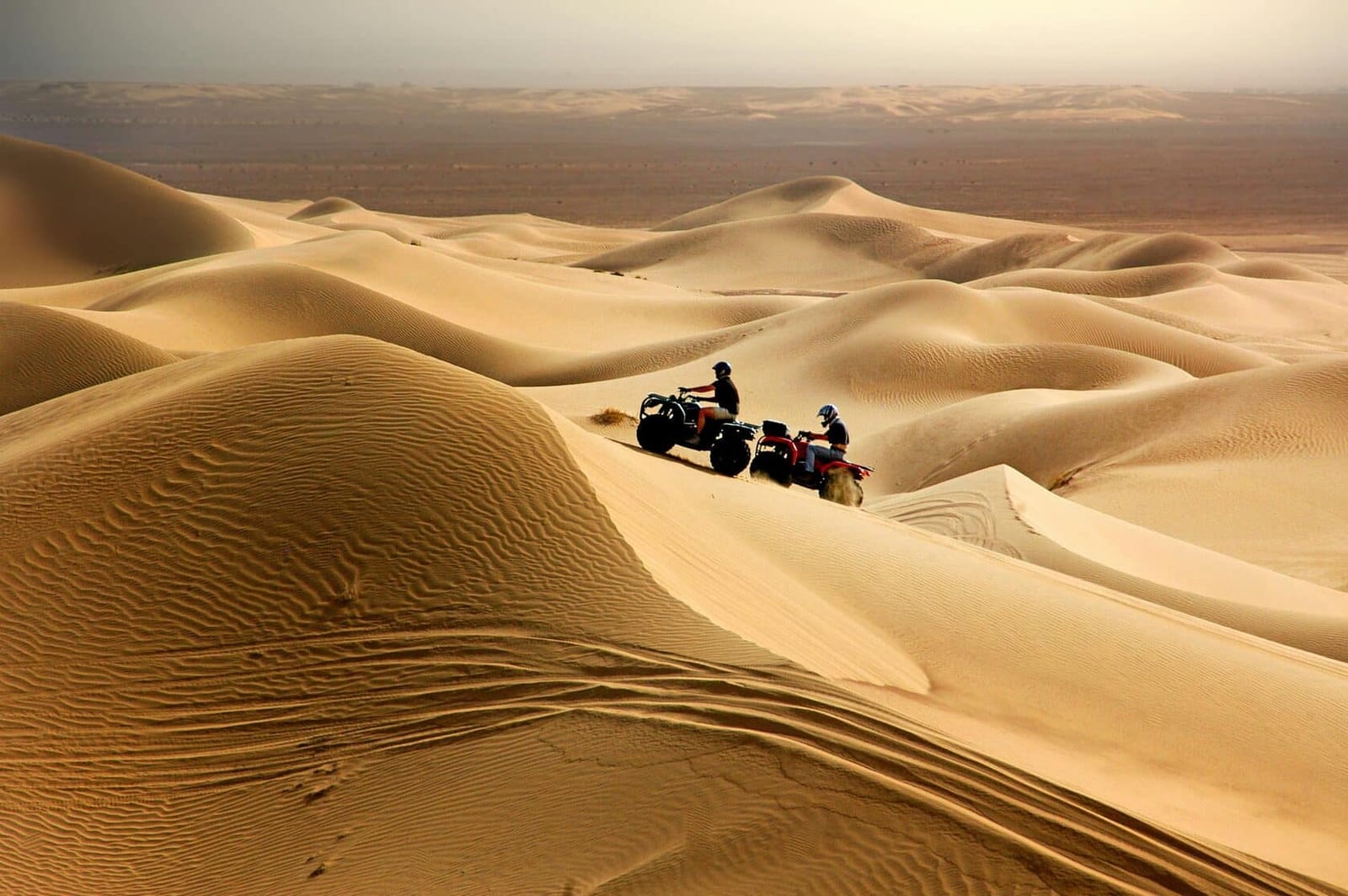
Full-Day Desert Safari in Dubai
It is the slow-travel version of the classic safari: more time on the dunes, sunset without the crowds and a full evening programme at a premium camp with air-conditioned tents, unlimited drinks and a large BBQ buffet with vegetarian and gluten-free options. Everything is arranged from the hotel door — a licensed English-speaking driver, the 4x4, the camp and the shows.
- Duration
- 7 hours
- Area
- Lahbab Desert, Dubai
- Format
- Full-day desert safari
- Best for
- families, couples and first-time desert visitors who want the full evening programme
From $45 per person No prepayment
View tour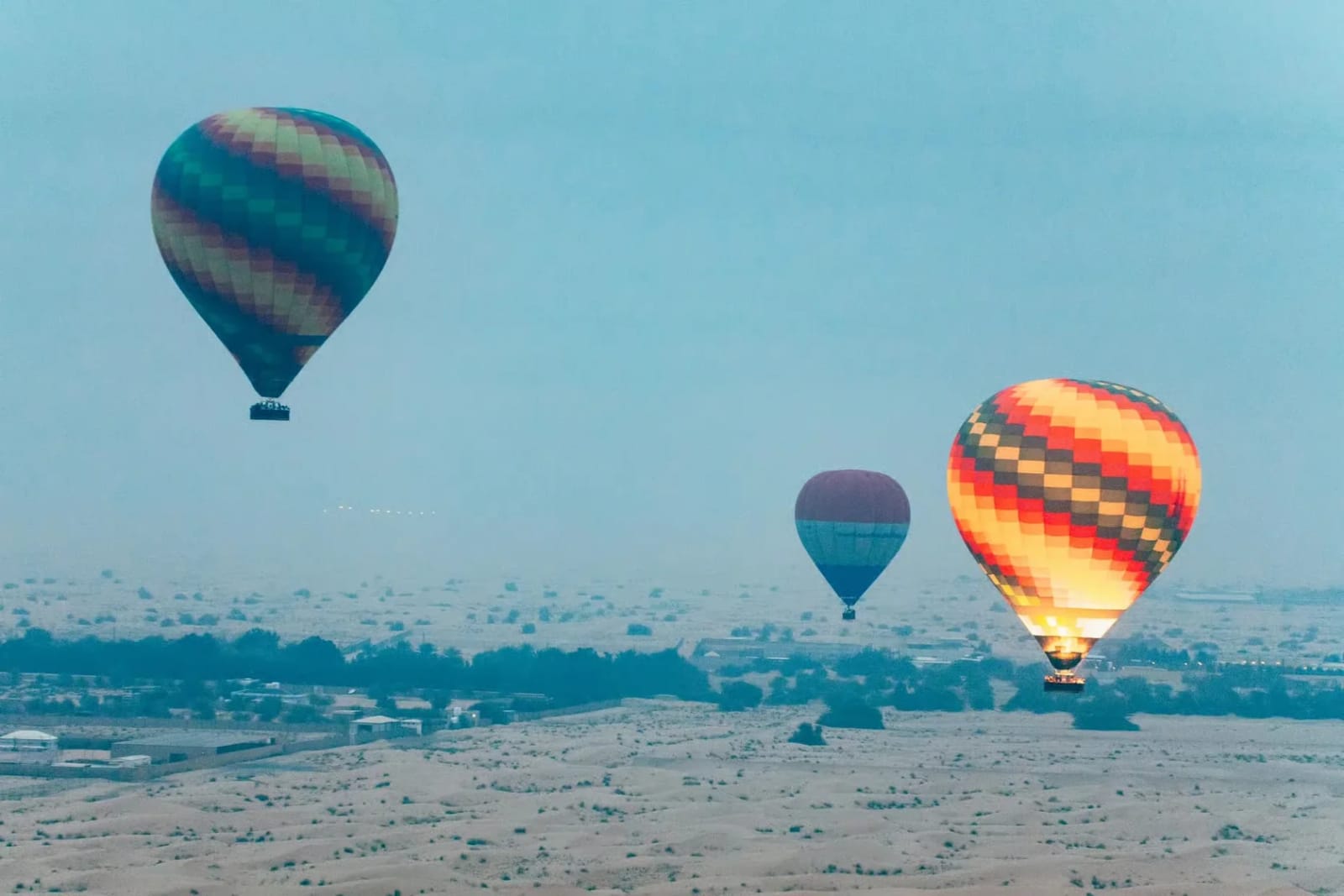
Sunrise Hot Air Balloon in Dubai
It is the desert from above at first light: gazelles, oryx and camels in the Dubai Desert Conservation Reserve, the Hajar Mountains on the horizon and the dunes turning gold. After landing a vintage Land Rover or SUV takes you to a private Bedouin camp for a gourmet breakfast (veg and non-veg options), a short camel ride and a falcon photo, and every guest gets an electronic flight certificate signed by the pilot.
- Duration
- 4-5 hours
- Area
- Dubai Desert Conservation Reserve
- Format
- Shared sunrise balloon flight with breakfast
- Best for
- couples, photographers and anyone who wants the desert at sunrise from above
From $275 per person 30% deposit
View tour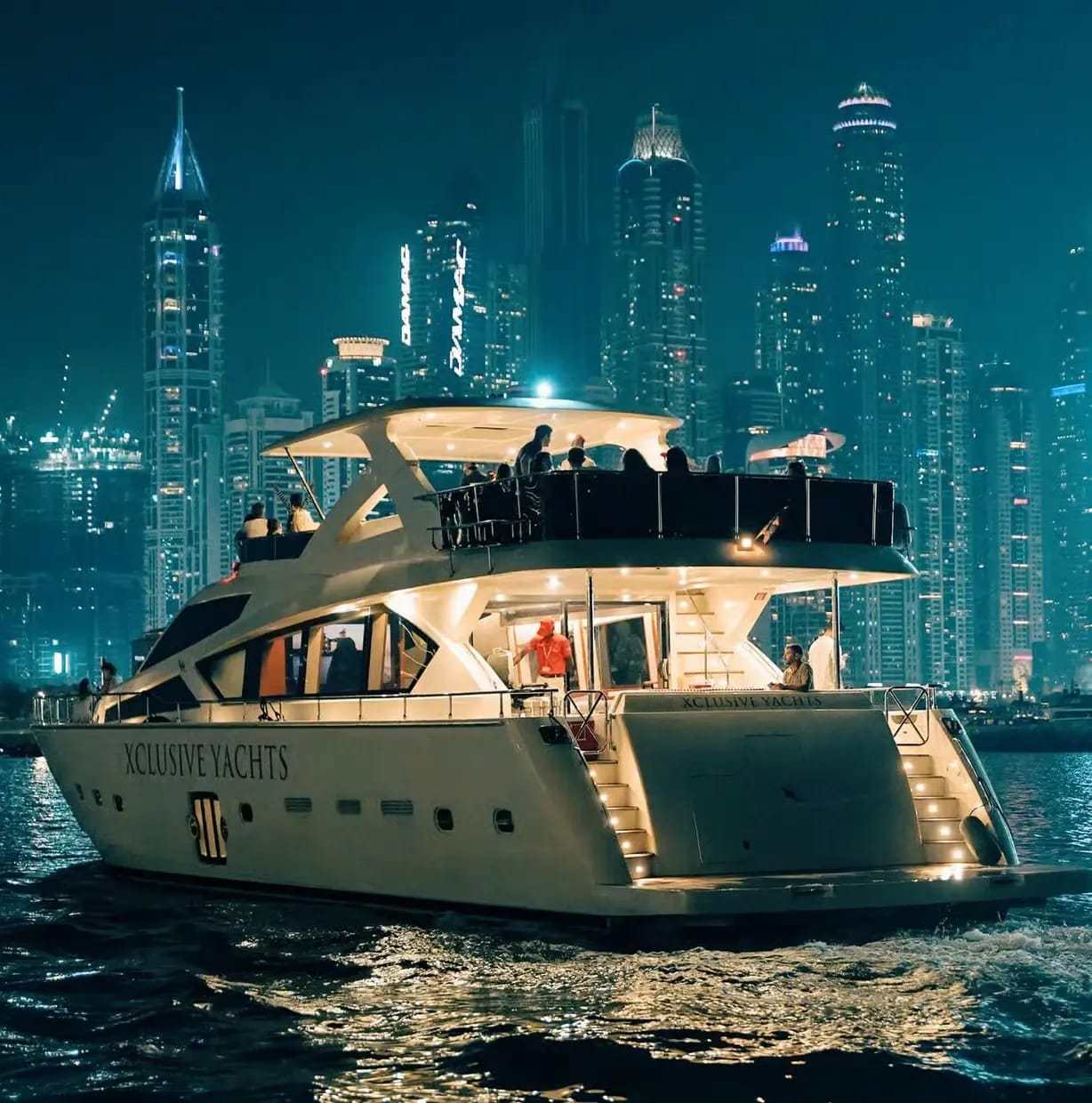
Dubai Marina Yacht Party
It is a floating nightclub rather than a boat trip: an international crowd of 25-45 guests, a live DJ playing house, R&B and chart hits, a live BBQ from the grill and the city lights of the Palm and Burj Al Arab in the background. No assigned seats — you move between the decks — and the whole night is included in one ticket.
- Duration
- 4 hours (9 PM-1 AM)
- Area
- Dubai Marina
- Format
- Shared 21+ party cruise
- Best for
- solo travellers, couples and groups aged 21+ who want a night out on the water
$99 per person Full prepayment
View tour